Major Advances in Stem Cell Treatment
A Comprehensive Timeline
Stem cell therapy has become a beacon of hope, offering treatments for conditions once deemed untreatable. These remarkable breakthroughs are not the product of recent discoveries but the result of over a century of scientific advancement. This timeline maps the incredible journey of stem cell development, charting its evolution from theoretical beginnings to life-changing medical applications.
Since the term “stem cell” first emerged in 1868, each milestone reflects a deeper understanding of cellular biology — reshaping the possibilities for treating conditions from leukemia to neurodegenerative disorders, and opening doors to the regenerative therapies and personalized medicine that redefine how we approach healing.
-
1868
First Use of the Term "Stem Cell"
Ernst Haeckel, a German biologist, introduces the term "Stammzelle" (stem cell) in his work on evolution to describe the ancestor unicellular organism from which all multicellular organisms evolved.
source -
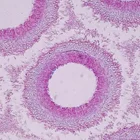
1908
Concept of Hematopoietic Stem Cells Proposed
Russian histologist Alexander Maksimov proposes the existence of hematopoietic stem cells at the Congress of Hematologic Society in Berlin, laying the foundation for stem cell research.
source -
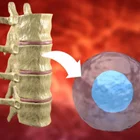
1956
First Successful Bone Marrow Transplant
Dr. E. Donnall Thomas performs the first successful bone marrow transplant between identical twins to treat leukemia.
source -
1961
Discovery of Hematopoietic Stem Cells
Event: Ernest McCulloch and James Till demonstrate the existence of self-renewing cells in bone marrow, pioneering the concept of stem cells.
source -
1963
Stem Cells Demonstrated to Self-Renew
McCulloch and Till show that stem cells can self-renew and differentiate into multiple cell types
source -
1968
First Successful Allogeneic Bone Marrow Transplant
Dr. Robert A. Good performs the first successful bone marrow transplant between siblings who are not identical twins, treating severe combined immunodeficiency disease (SCID)
source -
1970
Identification of Mesenchymal Stem Cells
Alexander Friedenstein identifies stromal cells in bone marrow capable of forming bone, cartilage, and other tissues.
source -
1974
Discovery of Hematopoietic Stem Cells in Cord Blood
Scientists discover that umbilical cord blood contains hematopoietic stem cells, paving the way for cord blood transplantation.
source -
1981
Isolation of Embryonic Stem Cells from Mice
Dr. Martin Evans and Matthew Kaufman successfully isolate embryonic stem cells from mouse embryos, demonstrating pluripotency.
source -
1988
First Successful Umbilical Cord Blood Transplant
Dr. Eliane Gluckman performs the first successful cord blood transplant on a child with Fanconi anemia.
source -
1989
Discovery of Neural Stem Cells in Adult Brain
Researchers identify neural stem cells in the adult mammalian brain, challenging the belief that neurogenesis only occurs during development.
source -
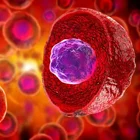
1992
First Isolation of Neural Stem Cells
Isolation and characterization of neural stem cells provide insights into brain development and potential therapies.
source -
1995
Discovery of Cancer Stem Cells in Leukemia
John Dick identifies cancer stem cells in human leukemia, suggesting that cancer may arise from stem cells.
source -
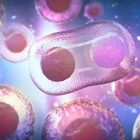
1998
Derivation of Human Embryonic Stem Cells
Dr. James Thomson and his team derive the first human embryonic stem cell lines, capable of developing into any cell type.
source -
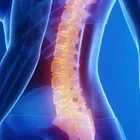
1999
Stem Cell Therapy in Animals for Spinal Cord Injury
Researchers demonstrate that transplanted stem cells can aid recovery in rats with spinal cord injuries.
source -

2001
First Clinical Trial Using Stem Cells for Heart Disease
Dr. Bodo-Eckehard Strauer conducts a clinical trial using autologous bone marrow stem cells to treat myocardial infarction patients.
source -
2004
International Stem Cell Forum Established
Major funding agencies worldwide create the International Stem Cell Forum (ISCF) to promote global collaboration in stem cell research.
source -
2005
Stem Cells Restore Vision
Transplantation of limbal stem cells restores vision in patients with corneal blindness.
source -
2006
Introduction of Induced Pluripotent Stem Cells (iPSCs)
Dr. Shinya Yamanaka reprograms adult mouse fibroblasts into pluripotent stem cells, introducing iPSC technology.
source -
2007
Generation of Human iPSCs
iPSCs are generated from adult human fibroblasts, offering patient-specific pluripotent cells.
source -

2007
Stem Cells Used to Grow New Skin for Burn Patients
Cultured epithelial autografts are used to generate new skin for severe burn victims.
source -
2008
Creation of Disease-Specific Stem Cell Lines
Patient-specific iPSC lines are created to study diseases like amyotrophic lateral sclerosis (ALS).
source -
2009
Expansion of Federal Funding for Stem Cell Research
U.S. President Barack Obama lifts restrictions on federal funding for embryonic stem cell research.
source -
2010
Stem Cell Therapy for Spinal Cord Injury
Geron Corporation initiates the first FDA-approved clinical trial using embryonic stem cells to treat acute spinal cord injury.
source -
2011
Stem Cell Therapy Used to Treat Blindness in Human Trials
Patients receive retinal pigment epithelium derived from embryonic stem cells, showing improved vision.
source -
2012
Nobel Prize Awarded for Stem Cell Research
Shinya Yamanaka and Sir John Gurdon receive the Nobel Prize in Physiology or Medicine for discovering that mature cells can be reprogrammed to become pluripotent.
source -
2012
First Clinical Use of iPSC-Derived Cells
Japan approves a clinical study using iPSC-derived retinal pigment epithelium cells to treat age-related macular degeneration.
source -
2013
Human Embryonic Stem Cells Created by Cloning
Scientists successfully derive human embryonic stem cells through somatic cell nuclear transfer.
source -
2013
Mini-Organs Grown from Stem Cells
Organoids resembling human brains, kidneys, and intestines are grown from stem cells for disease modeling.
source -

2014
Stem Cell Therapy for Age-Related Macular Degeneration
Preliminary results show improved vision in patients receiving embryonic stem cell-derived retinal cells.
source -
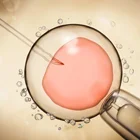
2014
Use of Stem Cells to Model Diseases In Vitro
iPSC-derived cells are used to model diseases like Alzheimer’s and Parkinson’s in the lab.
source -
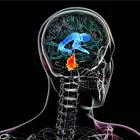
2014
Cerebral Palsy
Autologous cord blood stem cells are shown to enhance mobility and reduce spasticity in children with cerebral palsy.
source -
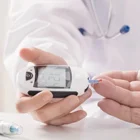
2014
Advances in Stem Cell Therapy for Diabetes
Scientists develop a method to create insulin-producing beta cells from stem cells, offering potential new treatments for diabetes patients.
source -
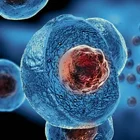
2015
First Clinical Trial of Stem Cell Therapy for Autism
Duke University initiates a trial using autologous umbilical cord blood stem cells to treat autism, showing promising improvements in behavior and communication.
source -
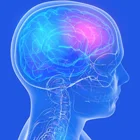
2016
Stem Cells Improve Recovery in Stroke Patients
Clinical trial demonstrates that modified bone marrow-derived stem cells improve motor function in stroke patients.
source -
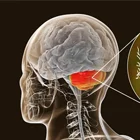
2016
Ataxia
Initial clinical trials demonstrate that stem cells improve motor coordination in ataxia patients.
source -
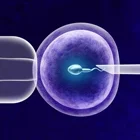
2016
Gene Editing in Stem Cells Using CRISPR
CRISPR technology is used to correct genetic mutations in stem cells, advancing personalized medicine.
source -
2017
Stem Cell Gene Therapy for Sickle Cell Disease
A teenage boy with sickle cell disease is effectively cured using gene-modified autologous stem cells.
source -
2017
Stem Cell Therapy Used to Treat Epidermolysis Bullosa
Gene-corrected epidermal stem cells are used to regenerate skin in a child suffering from a severe skin disorder.
source -

2018
Successful Stem Cell Transplant for HIV Patient
The “London patient” goes into HIV remission after receiving a stem cell transplant from a donor with the CCR5-delta 32 mutation.
source -
2019
Creation of Functional Mini-Brains from Stem Cells
Advanced cerebral organoids display brain-like electrical activity, aiding neurological research.
source -

2019
Stem Cell Therapy for Multiple Sclerosis
Autologous hematopoietic stem cell transplantation (AHSCT) shows significant benefits in patients with relapsing-remitting MS.
source -
2019
Muscular Dystrophy
Gene-corrected stem cells regenerate muscle tissue in early studies on muscular dystrophy.
source -

2019
Stem Cell Therapy Shows Promise in Treating Osteoarthritis
Mesenchymal stem cells are used in clinical trials to regenerate cartilage and reduce pain in osteoarthritis patients.
source -

2020
Stem Cell Treatment for Severe COVID-19
Mesenchymal stem cells are used in trials to treat severe COVID-19 pneumonia, showing potential in reducing inflammation.
source -
2020
Advances in Stem Cell Therapy for ALS
Stem cell therapy shows promise in slowing the progression of amyotrophic lateral sclerosis (ALS).
source -
2021
Advancements in Stem Cell Therapy for Type 1 Diabetes
Vertex Pharmaceuticals announces that a statement consistent with the 2021 VX-880 update after receiving stem cell-derived islet cells.
source -

2021
Stem Cell Therapy Used for Heart Regeneration
Trials show that stem cells can improve heart function after myocardial infarction by regenerating damaged tissue.
source -
2021
Spinal Muscular Atrophy (SMA)
An open-label phase 1 clinical trial of the allogeneic side population adipose-derived mesenchymal stem cells in SMA type 1 patients
source -

2022
Breakthrough in Hair Follicle Regeneration from Stem Cells
Scientists generate hair follicles from stem cells, offering potential treatments for hair loss.
source -
2022
First Human Trial Using CRISPR-Edited Stem Cells
CRISPR-edited stem cells are used to treat patients with genetic blood disorders, showing positive results.
source -
2022
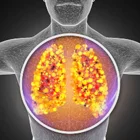
Stem Cells Used to Repair Damaged Lungs
Stem cell therapy shows potential in repairing lung tissue damaged by diseases like COPD and pulmonary fibrosis.
source -
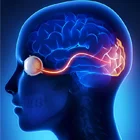
2022
Optic Nerve Atrophy (ONA)
Evaluating the impact of mesenchymal stem cell therapy on visual acuity and retinal nerve fiber layer thickness in optic neuropathy patients: a comprehensive systematic review and meta-analysis.
source -
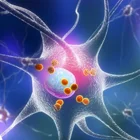
2023
Advances in Stem Cell Therapies for Parkinson's Disease
Stem cells are used to replace damaged neurons in Parkinson’s patients, showing improvements in motor function.
source -

2023
Stem Cell Therapies for Autism Show Promising Results
Clinical trials report improvements in social interaction and communication in children with autism after stem cell therapy, offering hope for new treatments.
source -
2024
Stem Cell Breakthrough Reverses Type 1 Diabetes
Significant advancement in stem cell therapy was the successful reversal of type 1 diabetes in a patient through stem cell treatment.
source -
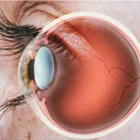
2024
Optic Nerve Hypoplasia (ONH)
Early trials using mesenchymal stem cells report potential improvements in visual function.
source -
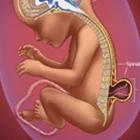
2024
Spina Bifida
In utero stem cell therapies improve outcomes for spina bifida patients by reducing neural damage.
source -

2024
FDA Approval for Pediatric Graft vs. Host Disease Treatment
Ryoncil (remestemcel-L-rknd) receives FDA approval for the treatment of steroid-refractory acute graft-versus-host disease (SR-aGVHD) in pediatric patients 2 months of age and older, becoming the first FDA-approved mesenchymal stromal cell (MSC) therapy.
source -
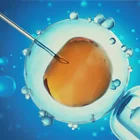
2025
First iPSC-Based Therapy Enters a U.S. Phase 3 Clinical Trial (IVF / Egg Maturation)
Gameto receives FDA IND clearance for Fertilo, an iPSC-derived ovarian support cell approach designed to support egg maturation with a reduced hormone-injection burden compared with conventional IVF stimulation protocols.
source -
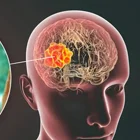
2025
Breakthrough in Cell Therapy for Drug-Resistant Epilepsy
Neurona Therapeutics reports new long-term clinical data from ongoing NRTX-1001 trials in adults with drug-resistant focal epilepsy, including robust seizure reduction in treated participants.
source -
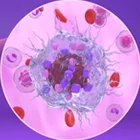
2025
CAR T-Cell Therapy for Lupus Using iPSC-Derived Cells
Fate Therapeutics reports updated Phase 1 clinical data for FT819, an off-the-shelf, iPSC-derived CAR T-cell therapy being evaluated for systemic lupus erythematosus (SLE), with treated participants showing meaningful decreases in disease activity.
source -
2025
Autologous iPSC Therapy for Parkinson’s Advances
Aspen Neuroscience reports completion of dose escalation and the first two cohorts in the ASPIRO Phase 1/2a trial of ANPD001, an autologous (patient-derived) iPSC-based dopaminergic neuronal precursor cell therapy for Parkinson’s disease.
source -
2025
Global Milestone: 116 Regulatory-Approved hPSC Trials and 1,200+ Patients Dosed
A 2025 Cell Stem Cell review reports that, as of December 2024, 83 human pluripotent stem cell (hPSC) products were being evaluated across 116 regulatory-approved clinical trials worldwide, with more than 1,200 patients dosed and no generalizable safety concerns identified.
source -
2025
FDA Clears Multiple iPSC Trials for Major CNS Diseases
XellSmart announces FDA IND clearances enabling Phase I clinical trials of allogeneic iPSC-derived cell therapies targeting Parkinson’s disease, ALS, and spinal cord injury.
source -

2026
Autologous iPSC Parkinson’s Program Expands Clinical Progress
Aspen Neuroscience reports completion of Cohort Three dosing in the ASPIRO Phase 1/2a trial of ANPD001 and an expansion of GMP manufacturing capabilities to support later-stage clinical development.
source
Published Last updated