


Stage
01
Inquiry
Tell us about your condition. Speak with our medical advisors — no obligation.
Stem cells delivered directly to the optic nerve via retrobulbar and intrathecal injection. See visual and developmental gains documented in past optic nerve hypoplasia patients. 81% reported quality-of-life improvement. 83% satisfied with the treatment outcome.
Published
Are you exploring Stem Cell Therapy for Optic Nerve Hypoplasia (ONH) or similar visual impairments?
Optic Nerve Hypoplasia is a congenital condition where the optic nerve, responsible for transmitting visual information from the eye to the brain, is underdeveloped. This can lead to significant vision loss or blindness. Standard treatments primarily focus on managing symptoms and maintaining quality of life. However, recent studies suggest that stem cell therapy offers the potential to repair damaged or underdeveloped optic nerves, providing new hope for ONH patients.
Read on to discover if stem cell therapy could benefit Optic Nerve Hypoplasia.
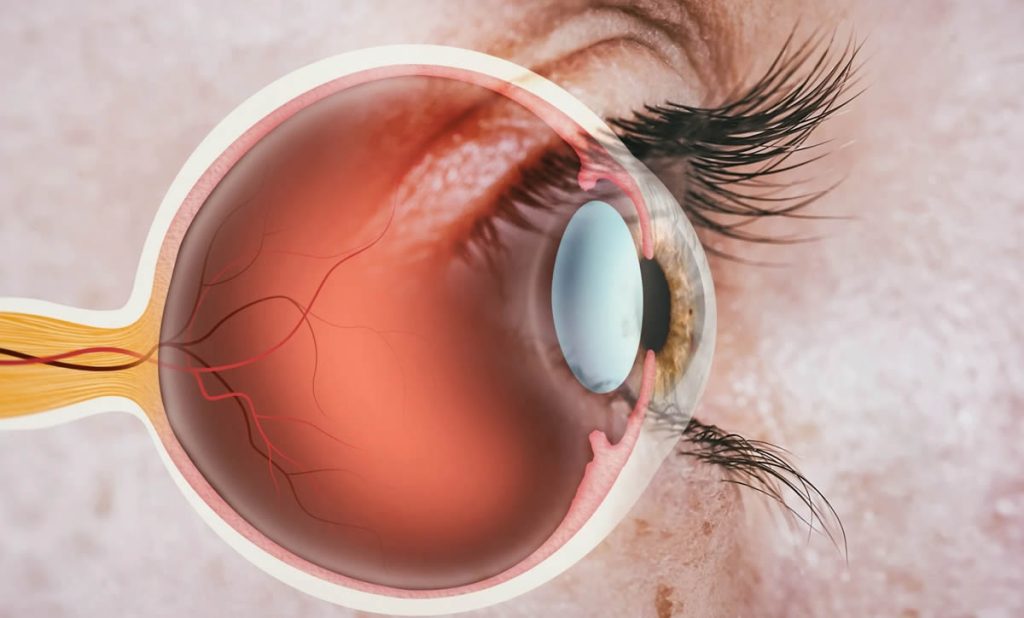
Stem cell therapy has emerged as a promising treatment for optic nerve-related disorders. Through targeted injections, stem cells can potentially restore some vision by regenerating optic nerve cells, improving vision and the overall quality of life for ONH patients.
Optic Nerve Hypoplasia (ONH) is a developmental condition where the optic nerve, responsible for relaying visual information from the eye to the brain, is underdeveloped. Unlike optic nerve atrophy, which involves degeneration, ONH results from incomplete development, typically occurring during prenatal development. This underdevelopment limits the number of optic nerve fibers, which can lead to partial or complete vision impairment. ONH can present alone or alongside other neurological or endocrine conditions.
Factors that may contribute to or exacerbate vision loss in ONH include:
Based on follow-up reports from 115 patients across 276 forms, here is the percentage who self-reported any improvement after treatment.
| Symptom | % of Patients who noticed Improvement | % who noticed a Small Improvement | % who noticed a Moderate Improvement | % who noticed a Significant Improvement |
|---|---|---|---|---|
| Light perception | 76% | 39% | 15% | 22% |
| Nystagmus (uncontrolled eye movement) | 74% | 36% | 18% | 21% |
| Strabismus (side glances) | 67% | 36% | 19% | 13% |
| Blindness | 62% | 36% | 13% | 13% |
| Visual field | 60% | 38% | 12% | 11% |
| Ability to focus eyes quickly | 57% | 33% | 13% | 10% |
| Vision in left eye | 57% | 32% | 10% | 15% |
| Vision in right eye | 56% | 29% | 16% | 11% |
| Ability to see hand movement | 54% | 25% | 9% | 20% |
| Ability to see things at a close distance | 52% | 26% | 12% | 15% |
| Ability to keep eyes focused for a long time | 50% | 31% | 11% | 8% |
| Colour vision | 46% | 27% | 7% | 12% |
| Droopy eye lids | 45% | 17% | 7% | 21% |
| Ability to see things clearly | 44% | 22% | 6% | 15% |
| Ability to see things at a far distance | 38% | 19% | 10% | 9% |
| Night vision | 35% | 23% | 3% | 9% |
| Astigmatism | 33% | 24% | 6% | 3% |
| Able to count fingers | 30% | 15% | 6% | 9% |
Patients self-assess each symptom on a 5-point scale (Worse / No improvement / Small / Moderate / Significant) at follow-up checkpoints after treatment, comparing to their pre-treatment baseline. "Reported improvement" combines the small, moderate and significant buckets. Data is updated daily from our internal patient registry. As with any medical treatment, past results do not guarantee future outcomes — improvements vary from patient to patient.
| No | 19% |
| Yes - has slightly improved | 41% |
| Yes - has moderately improved | 16% |
| Yes - has significantly improved | 24% |
| % of patients with some level of positive result | 81% |
| No | 17% |
| Yes - small improvements | 44% |
| Yes - moderate improvements | 22% |
| Yes - significant improvements | 18% |
| % of patients with a positive level of satisfaction | 84% |
| No | 6% |
| No comment | 11% |
| Somewhat satisfied | 30% |
| Yes | 53% |
| % of patients with ongoing improvements | 83% |
*It is important to remember that as for any medical treatment, improvements cannot be guaranteed. Please contact us for more information regarding the possible improvements for a particular case.
Stem cells are “pluripotent,” meaning they can differentiate into all other cells due to their self-renewing abilities. They can develop into ectodermal (ex., skin, and some neurological structures), mesodermal (ex., bones, cartilage, and blood cells), or endodermal cells (ex., cells of internal body organs).
Therefore, injecting stem cells – from a donor – should theoretically allow them to differentiate and “replace” the damaged retina or optic nerve seen in different ophthalmological disorders. Stem cell therapy has provided new hope in curing or at least improving the sight-related symptoms associated with retinal or optic degeneration in order to provide patients with a better quality of life.
Following the testing of stem cell treatment on people with retinal and/or optic nerve atrophy, in addition to their self-renewing abilities, stem cells have proven to have additional benefits other than tissue replacement.
Studies testing stem cell therapy in people with retinal and/or optic nerve disorders have reported that the use of stem cell therapy in affected infants has shown improvement in (8):
Improvement rates following stem cell transplantation reach as high as 83%; with improvement being seen in both eyes simultaneously. These results could be seen as miraculous in such optic disorders with otherwise irreversible neurological damage.
Our stem cell treatment protocols have been meticulously developed with the understanding that a comprehensive approach is essential for patients to fully benefit from stem cell therapy. We believe that combining stem cells with various therapeutic techniques enhances the body’s regenerative response. To maximize effectiveness, we provide substantial quantities of stem cells tailored to each patient’s specific condition for optimal regenerative potential.
Our treatment for Optic Nerve Hypoplasia (ONH) involves 6 to 8 minimally invasive injections of stem cells derived from umbilical cord tissue. These stem cells are administered through two or three different methods: intravenously via a standard IV drip, intrathecal injection, and, for patients over the age of 10, potentially two retrobulbar injections to more precisely target the optic nerves.* Together, these methods enhance treatment efficacy while ensuring patient safety and comfort.
*Note: Retrobulbar injections are not suitable for all patients; eligibility is determined by the attending physician.
At Beike Cell Therapy, we offer stem cell therapy for a wide range of conditions, but we create dedicated treatment pages only when:
Historically, research and demand have focused more on Optic Nerve Atrophy than on Optic Nerve Hypoplasia. While we have provided treatment for Optic Nerve Hypoplasia upon request, we previously lacked enough data to demonstrate effectiveness and justify a dedicated treatment page. The international medical community has also been slower to explore stem cell therapy for Optic Nerve Hypoplasia compared to Optic Nerve Atrophy.
However, after performing over 100 stem cell treatments for Optic Nerve Hypoplasia and receiving overwhelmingly positive feedback, we are now proud to officially offer this treatment on our site.
For more information, please contact us today.

Medically reviewed by
Dr. Dina Mohyeldeen
Physician & Medical Researcher
Dr. Dina M. is a physician with particular interest in researching advancements in treating different incurable conditions. Her fields of interest include cancers, neurological, and psychiatric conditions given their difficult diagnoses and ever-evolving treatment modalities.
Find out more about patients previously treated with Beike stem cell protocols. The families participating in these blog posts talk about their stories and present their own view of the treatment, including thoughts regarding the daily therapies, the stem cell injection themselves as well as improvement noticed during and after treatment.
Patients and their families talking about treatment, recovery and the changes that mattered most to them.
From your first inquiry to post-treatment follow-up —
we guide you every step of the way.
Tell us about your condition. Speak with our medical advisors — no obligation.
Our doctors review your medical records and recommend a tailored protocol.
Receive specialized stem cell therapy at our partner hospital, fully supervised.
We stay in touch and monitor your progress for the months that follow.
No obligation. We’ll review your situation and respond within 48 hours.
Reviewed by the Beike medical advisory team — answering patient inquiries since 2005.