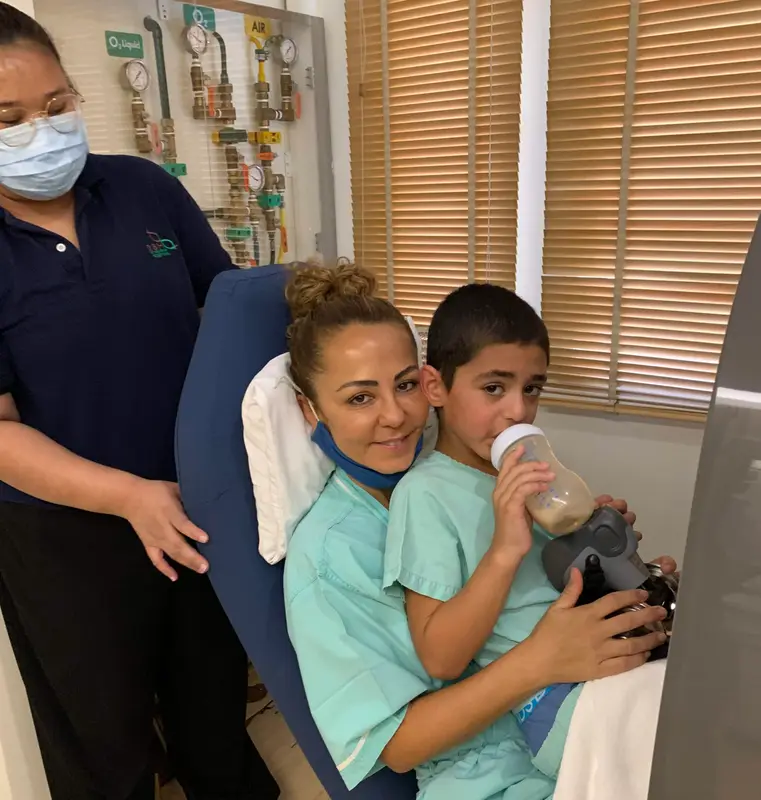
Stem cells, transcranial magnetic stimulation and microbiome therapy in one protocol — designed to address what's behind the behaviors, not just the behaviors themselves. See real patient stories. 59% reported quality-of-life improvement.
57% satisfied with the treatment outcome.
Are you considering Stem Cell Treatment for Autism?
Autism is a complex neurodevelopmental condition that profoundly impacts the social and cognitive abilities of countless children. While conventional treatments focus primarily on managing symptoms and enhancing daily functionality, they often fail to address the root causes. Stem cell therapy offers a beacon of hope, with studies suggesting its potential to slow and even reverse core symptoms of autism.
Discover how stem cell treatment could be a transformative option for you or your loved one.
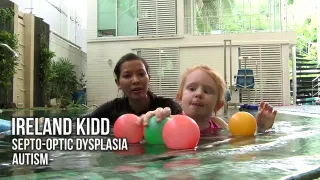
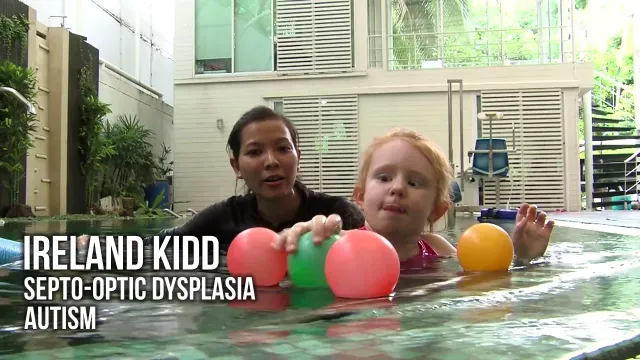
Ireland Kidd was diagnosed with Septo-Optic Dysplasia and Autism with no hope for improvement from local doctors.
Her mother tells of their comprehensive stem cell therapy journey with Beike stem cells and functional medicine provided at Better Being Hospital in Bangkok, Thailand. filmed during their second treatment.
Possible Improvements after Stem Cell Therapy for Autism
Based on follow-up reports from 103 patients across 203 forms, here is the percentage who self-reported any improvement after treatment.
Symptom
% of Patients who noticed Improvement
% who noticed a Small Improvement
% who noticed a Moderate Improvement
% who noticed a Significant Improvement
Uses eye contact
78%
44%
21%
14%
Responding to commands
73%
33%
25%
15%
Aware of environment
70%
44%
20%
5%
Interaction with others
69%
40%
26%
3%
Concentration
69%
45%
16%
7%
General mood
67%
36%
22%
9%
Cooperation with others
66%
39%
21%
7%
Expressing own needs
65%
35%
24%
6%
Sleep disturbance
58%
36%
14%
8%
Interest in others
56%
26%
22%
8%
Comfortable with physical contact
55%
23%
23%
10%
Temper tantrums
54%
25%
19%
11%
Plays appropriately
53%
34%
11%
8%
Using more than one word at a time
53%
26%
16%
10%
Hyperactivity
52%
25%
23%
5%
Uses greetings
50%
33%
13%
5%
Aware of danger
47%
29%
16%
2%
Dressing himself/herself
47%
23%
17%
6%
Patients self-assess each symptom on a 5-point scale (Worse / No improvement / Small / Moderate / Significant) at follow-up checkpoints after treatment, comparing to their pre-treatment baseline. "Reported improvement" combines the small, moderate and significant buckets. Data is updated daily from our internal patient registry. As with any medical treatment, past results do not guarantee future outcomes — improvements vary from patient to patient.
Do you feel as though your stem cell treatment has improved the quality of life?
No
41%
Yes - has slightly improved
30%
Yes - has moderately improved
24%
Yes - has significantly improved
5%
% of patients with some level of positive result
59%
Are you currently experiencing any improvements in your general physical condition?
No
47%
Yes - small improvements
31%
Yes - moderate improvements
16%
Yes - significant improvements
5%
% of patients with a positive level of satisfaction
53%
Are you currently satisfied with the outcome of the treatment?
No
24%
No comment
20%
Somewhat satisfied
32%
Yes
25%
% of patients with ongoing improvements
57%
*It is important to remember that as for any medical treatment, improvements cannot be guaranteed. Please contact us for more information regarding the possible improvements for a particular case.
How Stem Cell Therapy Improves Symptoms of Autism
Stem cells are cells that are “pluripotent”, meaning they can differentiate into all other cells due to their self-renewing abilities. They can develop into ectodermal (ex. skin and some neurological structures), mesodermal (ex. bones, cartilages, and blood cells), or endodermal cells (ex. cells of internal body organs). Therefore, injecting stem cells should theoretically allow them to differentiate and “replace” the damaged neurons due to the brain insult predisposing to autism.
However, following extensive testing of stem cell treatment on people with autism, in addition to their self-renewing abilities, stem cells have proven to have additional benefits other than tissue replacement; including (8):
Replacing and repairing the damaged neurons: As mentioned, this is their original function; to replace the damaged tissue by conversion of one cell type to another.
Increasing the production of neurotrophic factors that promote nervous cell proliferation and differentiation (ex. glia-derived neurotrophic factor (GDNF) and brain-derived neurotrophic factor (BDNF)). These factors can locally enhance cellular recruitment, proliferation, and maturation within the damaged or affected brain area.
Modulating the immune system and the ongoing inflammatory process – thereby reducing the ongoing neurodestructive process causing characteristic symptoms of autism.
Promoting vascular supply to the nervous system by stimulating the generation of new blood vessels (neovascularization/angiogenesis) through stimulating different vascular stimulating growth factors (ex. VEGF).
Benefits of Stem Cell Therapy in Autism
Studies testing stem cell therapy in people with autism have reported that the use of stem cell therapy in autistic people has shown improvement in (8, 9, 10):
Visible improvements on functional brain imaging techniques were also seen, with the brains of autistic people showing better nutrient uptake following stem cell transplantation – indicating better brain connectivity and performance following stem cell therapy.
Our Treatment Program in Details
Beike is unlike any other stem cell treatment provider in the world, the reason? Since 2005, we have been developing and optimizing our stem cell treatment protocols with the concept that only a very comprehensive solution can allow our patients to truly benefit from stem cells. We believe that stimulation through various therapies is necessary to enhance stem cell regenerative response, therefore our protocols include daily therapies to support the stem cells. Finally, we provide a wide variety and large quantities of stem cells in order to adapt to each patient specific condition and deliver maximized regenerative potential.
Our stem cell therapy for autism program consist in 6 to 8 simple and minimally invasive injections of umbilical cord derived stem cells. The stem cells are transplanted using two separate methods: by intravenous way using a standard IV drip system, and through intrathecal injection performed after lumbar puncture. These two delivery methods allow for increased efficacy while ensuring safety and minimum inconvenience for the patient.
01 IV & Intrathecal Injections
02 15 to 23 Days Stay
03 UCBSC / UCMSC Cells
04 Daily Therapy Program
05 120-400 Million Cells
06 Nutrition Program
Frequently Asked Questions
A.
Autism is a neurodevelopmental disorder characterized by different social and behavioral symptoms. The exact cause of autism is still not fully understood, but a combination of genetic predisposition and a perinatal brain insult/damage occurring around the time of birth has been suggested. Children with autism usually manifest with a combination of both social and behavioral problems including reduced social and communication skills, repetitive or restricted behaviors – including stereotypical repetitive speech and movements – ritualizing routine and despising changes, and abnormal reactivity to different sensory stimuli (ex. noise and light).
Autism is usually associated with additional features that might impair the functionality of the child including irritability, aggressiveness, hyperactivity, insomnia, and different mood disorders such as depression or anxiety (1, 2).
Autism has been suggested to occur due to a mixture of genetic predisposition and inflammatory or immune-mediated brain damage (3).
Autism has also been proven to have lots of comorbid conditions that contribute to worse behaviors and socialization including gastrointestinal disturbance (ex. chronic constipation), metabolic disorders, sleep issues, seizures, nutritional problems and selective eating, and psychological disorders (4).
A.
Most often 3-6 months for the initial effect, with continuing improvement over the following 1 to 2 years. We have had parents notice a near-immediate difference or a noticeable difference within 2 weeks but should not be seen as typical or expected.
A.
Despite there being lots of advancements aiming at diagnosing autism earlier in order to allow prompt management and to provide a better quality of life for children and adults living with such a lifelong condition, there has not been much progress in treating its core features. Current treatments only aim to alleviate unfavorable behaviors such as irritability and aggressiveness, and allow them to reach their full potential when it comes to their cognitive and social abilities. Commonly-used treatments include psychological therapy, nutritional therapy; and in extreme resistant cases, pharmacotherapy with medications (2, 5):
Psychotherapy/Behavioral Therapy
These include different psychological and educational treatment approaches that aim to reinforce positive behaviors and reduce undesired ones. One commonly-used approach in autism is applied behavior analysis (ABA). ABA involves some psychological interventions that aim to reinforce positive behaviors through establishing a reward system and inhibiting undesired behaviors through establishing an active or a passive consequence. This process is repeated throughout the sessions in order to “shape” the autistic child’s behavior. It has been estimated that this method improves social and behavioral features of children with autism when used early; with some children showing visible improvement in their IQ. However, these sessions take a long time to work and the degree of improvement differs from one child to another according to the severity of their autism (2, 5).
Pharmacotherapy (Medical Treatment)
Medications might be used to treat behaviors that have failed to respond to psychotherapy; including aggressiveness, anxiety, hyperactivity, or irritability. Some commonly used drugs include medications used in different psychological conditions (2, 5):
Antipsychotics (ex. risperidone and aripiprazole): These drugs have been proven to improve irritability and impulsivity. However, they are commonly associated with multiple side effects that necessitate its use with extreme caution; especially given the age group they are used on.
Antidepressants (ex. fluoxetine): Antidepressants have been proven in some studies to improve irritability and repetitive behaviors associated with autism.
Stimulants (ex. Methylphenidate and atomoxetine): These are especially beneficial in autistic children with co-existing ADHD symptoms and hyperactivity and/or constant distraction.
Nutritional Therapy
These are diets that have been proven to improve symptoms associated with autism. Some commonly-used diets include ketogenic and gluten-free diets. Additional use of supplements (ex. probiotics and antioxidants) has also shown some improvement in symptoms (6, 7).
Of course there are other numerous treatments and medications that have proven benefits in autism, which are not the main topic of this article; yet they all share one thing in common, which is that they are solely symptomatic in nature – i.e. they aim to improve different autistic features to a certain extent – with no role in addressing the original neurological abnormality leading to the autistic presentation. This is where stem cell therapy has been emerging as a possible therapeutic option that could actually improve or even repair the original brain changes or damage contributing to different features of autism.
A.
To date, there has not been a single study – to our knowledge – that has compared different types of stem cells, concerning safety and efficacy, particularly in autism. There are currently many types of stem cells available to use in different conditions including embryonic stem cells, mesenchymal stem cells (ex. bone marrow and umbilical cord stem cells), hematopoietic stem cells, neural stem cells, as well as many other sources (8).
However, when looking at other similar neurodevelopmental disorders and at different stem cell therapy trials, the most feasible and safely-used stem cells that have been used and tested in autistic people and other neurological conditions include umbilical cord-derived samples, both cord blood and cord tissue, and bone marrow stem cells. These two types provide the best results with the lowest possible side effects (8, 9).
We have also tested and published an article on the better efficacy of using both types of umbilical cord samples, umbilical cord mesenchymal cells and umbilical cord blood/hematopoietic cells, concomitantly – while maintaining safe administration (11). These results have contributed to establishing our current method of dual-type stem cell administration.
A.
At Beike Biotechnology, we use umbilical cord stem cells for autism, both umbilical cord-related mesenchymal and blood/hematopoietic samples donated from healthy mothers after a normal birth. As previously mentioned, this concomitant administration of both types of stem cells provides better results (11).
A.
Autism is generally diagnosed at around 3 to 4 years of age. Most studies assessing the efficacy of stem cell therapy had patients starting from the age of 3 – with no reported age-specific side effects (8, 9, 10). Additionally, human brains continue developing even after birth until early childhood; and it has been proven that early intervention in different neurodevelopmental conditions – including autism – was associated with better outcomes and quality of life. Therefore, we generally recommend undergoing the procedure during early school age (3-7 years) to allow for the best results.
Clinical benefit is not 100% guaranteed as is the case with any intervention, and consulting our specialists prior to undergoing the procedure is of utmost importance in order to gain more insight on the procedure.
A.
No treatment is without complications, and stem cell therapy is the same. However, despite its novelty, stem cell therapy has limited side effects, if used properly, with comparable general side effects to those experienced with regular blood transfusion or foreign organ transplantation (ex. allergic reactions, cell rejection, or fever). Other side effects that have been specifically reported in clinical trials testing stem cell therapy in autism include:
Headaches
Pain at site of injection
Gastrointestinal disturbances including nausea and/or vomiting
Seizures
Initial increase in the degree of hyperactivity for the first three months following stem cell therapy
However, none of these side effects reported were life-threatening or had life-long consequences, and they were easily managed medically at the time of their occurrence.
A.
Below is a summary of the factors that might affect your response to stem cell therapy, and how we at Beike Biotechnology address each factor to ensure that we provide you with the highest efficacy using the safest procedure possible.
Dose/Number of stem cells: The higher the dose of stem cells – within limits of course – the better the response. At Beike Biotechnology, we administer an optimum dose of around 120-280 Million Cells (depending on the child’s weight) for autism.
Route/Method of administration: Studies have shown that intrathecal injection (through lumbar puncture directly within the brain’s CSF) provides better response than the traditional intravenous route (which causes stem cells to go to other organs than the brain before reaching the brain). At Beike Biotechnology, we use both intravenous and intrathecal routes concomitantly in order to obtain the maximal efficacy; while ensuring the least possible side effects or toxicity.
Type of Stem Cells used: As previously mentioned, both umbilical cord-based stem cells, which we use at Beike Biotechnology, and bone marrow stem cells have better-proven efficacy in autism compared to other types of stem cells.
Timing of stem cell transplantation: Early intervention is crucial for people with different neurodevelopmental disorders – including autism. Therefore, we recommend early intervention during early school years (around 3 to 7 years old).
Follow-up Time: Significant benefits from stem cell therapy begin appearing around three months after stem cell therapy, and most people reach their full potential around 6-12 months after treatment. At Beike Technology, even after discharge, we provide you with a full follow-up program beginning as early as one month and up to one year after transplantation. You have complete access to our professional team even after you leave our center.
A.
The optimal age range for starting stem cell treatment for autism is not definitively established, but early childhood, typically starting between the ages of 2 and 5 brings the best results.
There is no proven upper age limit for starting stem cell treatment as it remains experimental for all age groups.
Older children may still benefit from improved social interaction, communication, and behavioral regulation, though research is ongoing.
A.
Stem cell therapy for autism utilizes stem cells’ regenerative and modulatory abilities to address the neurological and immune factors associated with autism.
Stem cells, primarily derived from umbilical cord blood, are pluripotent, meaning they can develop into different cell types, including neurons. The therapy aims to:
Reduce brain inflammation: Stem cells modulate immune responses, reducing inflammation believed to contribute to autism.
Improve brain connectivity: Enhanced nutrient uptake and neurovascularization promote better brain function, aiding improvements in behavior and cognition.
Clinical studies suggest improvements in areas like social interaction, communication, hyperactivity, and mood regulation, though results are varied. Research is ongoing to fully understand the therapy’s efficacy and safety.
Dr. Dina M. is a physician with particular interest in researching advancements in treating different incurable conditions. Her fields of interest include cancers, neurological, and psychiatric conditions given their difficult diagnoses and ever-evolving treatment modalities.
Find out more about patients previously treated with Beike stem cell protocols. The families participating in these blog posts talk about their stories and present their own view of the treatment, including thoughts regarding the daily therapies, the stem cell injection themselves as well as improvement noticed during and after treatment.
3.Qu J, Liu Z, Li L, Zou Z, He Z, Zhou L, et al. Efficacy and Safety of Stem Cell Therapy in Children With Autism Spectrum Disorders: A Systematic Review and Meta-Analysis. Frontiers in pediatrics. 2022;10:897398. https://www.ncbi.nlm.nih.gov/pmc/articles/PMC9114801/
6.Gogou M, Kolios G. Are therapeutic diets an emerging additional choice in autism spectrum disorder management? World J Pediatr. 2018;14(3):215-23. https://europepmc.org/article/med/29846886
7.Amadi CN, Orish CN, Frazzoli C, Orisakwe OE. Dietary interventions for autism spectrum disorder: An updated systematic review of human studies. Psychiatriki. 2022;33(3):228-42. https://pubmed.ncbi.nlm.nih.gov/35477082/
8.Sharma A, Gokulchandran N, Sane H, Nagrajan A, Paranjape A, Kulkarni P, et al. Autologous bone marrow mononuclear cell therapy for autism: an open label proof of concept study. Stem cells international. 2013;2013:623875. https://pubmed.ncbi.nlm.nih.gov/24062774/
9.Dawson G, Sun JM, Davlantis KS, Murias M, Franz L, Troy J, et al. Autologous Cord Blood Infusions Are Safe and Feasible in Young Children with Autism Spectrum Disorder: Results of a Single-Center Phase I Open-Label Trial. Stem cells translational medicine. 2017;6(5):1332-9. https://www.ncbi.nlm.nih.gov/pmc/articles/PMC5442708/
12.Prenatal exposure to bisphenol A (BPA) alters gene expression in neural stem cells in a sex-specific manner, significantly affecting genes associated with autism spectrum disorder (ASD). The study highlights BPA as a potential environmental risk factor for ASD, particularly impacting male neurodevelopment. Read the full study.
How it works
A clear path forward
From your first inquiry to post-treatment follow-up —
we guide you every step of the way.
Stage
01
Inquiry
Tell us about your condition. Speak with our medical advisors — no obligation.
Stage
02
Evaluation
Our doctors review your medical records and recommend a tailored protocol.