Stem cells delivered directly to the optic nerve, not just systemically. See what visual recovery has been documented in patients with optic nerve atrophy. 62% reported quality-of-life improvement.
60% satisfied with the treatment outcome.
Is Stem Cell Treatment for Optic Nerve Atrophy Effective?
Are you considering Stem Cell Treatment for Optic Nerve Atrophy or Retinal Disorders?
Optic nerve atrophy and/or retinal degeneration are disabling eye disorders that have limited curative treatment options, with most only focusing on delaying disease progression and preventing further eye damage in order to ensure a better quality of life for such individuals. Stem Cell Treatment however offers hope, with studies showing stem cell therapy can reverse and improve different visual symptoms associated with different optic nerve and retinal disorders.
Read on to see if Optic Nerve Atrophy Stem Cell Treatment might be right for you.
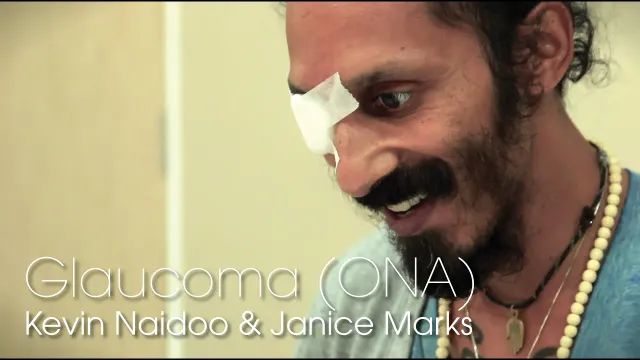
Patient Testimonial - Kevin & Janice, Glaucoma Stem Cell Treatment
Janice has suffered from visual impairment all her life, but her Glaucoma diagnosis and worsening condition coupled with a lack of treatment options was heartbreaking.
That all changed when Janice and her husband saw Kevin Naidoo’s story on local television talking about his upcoming trip for stem cell treatment.
Stem Cell Treatment for Damage to the Optic Nerve: An Encouraging Development
Stem cell therapy has become a ground-breaking method for treating optic nerve damage in recent years. Stem cells are injected as part of this groundbreaking treatment because they possess a remarkable ability to repair and/or regenerate damaged optic nerve cells. Stem cell therapy has the potential to improve vision and quality of life by considerably slowing down the advancement of diseases that damage the optic nerve.
Addressing Damage to Optic Nerves
Damage to the optic nerve, which is in charge of sending visual information from the eye to the brain, can lead to degeneration or injury, which can cause partial or total blindness. Damage to the optic nerve can result from a number of factors, such as:
Compressive Lesions: Growths or tumors close to the optic nerve may put pressure on it and harm it. One common example of such a lesion is a pituitary tumor.
Hereditary Conditions: Damage to the optic nerve can result from genetic disorders such as Leber’s hereditary optic neuropathy (LHON).
Trauma: A physical blow to the head or eye can cause direct damage to the optic nerve or disrupt blood flow to it.
Medication: The optic nerve may be harmed by some medications.
Lifestyle Factors: Drinking alcohol and tobacco can aggravate optic nerve damage.
Glaucoma: Over time, increased intraocular pressure can progressively harm the optic nerve.
Optic neuropathy: Inflammation, toxins, trauma, and other factors can cause damage to the optic nerve in this condition.
Ischemic Optic Neuropathy: The optic nerve’s blood supply is diminished in this type of optic neuropathy.
Optic Neuritis: Optic neuritis is the inflammation of the optic nerve, which is frequently linked to multiple sclerosis (MS).
Identifying the Signs of Damage to the Optic Nerve
While the signs of optic nerve damage can differ, they frequently consist of:
Flickering or flashing lights when the eyes are moved
Persistent vision loss in one or both eyes
Either gradual or abrupt loss of vision
Diminished peripheral vision
Pain within the eye, in the eye socket, or on the face (a common sign of optic neuritis)
Reduced clarity of vision
Diminished ability to perceive color
Unusual reactions of the pupils to light
Variations in the optic disc’s appearance
Stem cell therapy has the potential to significantly change the optic nerve damage treatment landscape and provide hope to those afflicted by this difficult condition as research and clinical trials progress.
Possible Improvements after Stem Cell Therapy for Optic Nerve Atrophy
Based on follow-up reports from 168 patients across 395 forms, here is the percentage who self-reported any improvement after treatment.
Symptom
% of Patients who noticed Improvement
% who noticed a Small Improvement
% who noticed a Moderate Improvement
% who noticed a Significant Improvement
Light perception
58%
37%
8%
13%
Ability to see hand movement
58%
36%
11%
11%
Pain in the eyes
55%
22%
12%
22%
Visual field
52%
36%
6%
10%
Blindness
52%
39%
6%
7%
Vision in left eye
50%
29%
11%
10%
Vision in right eye
49%
30%
10%
10%
Nystagmus (uncontrolled eye movement)
47%
15%
13%
19%
Strabismus (side glances)
47%
23%
8%
15%
Colour vision
45%
28%
6%
11%
Ability to see things at a close distance
43%
23%
11%
9%
Ability to see things clearly
42%
24%
11%
7%
Able to count fingers
41%
21%
8%
12%
Ability to focus eyes quickly
40%
23%
10%
8%
Droopy eye lids
40%
18%
8%
15%
Night vision
39%
25%
7%
7%
Ability to keep eyes focused for a long time
38%
17%
12%
9%
Ability to see things at a far distance
36%
19%
9%
8%
Patients self-assess each symptom on a 5-point scale (Worse / No improvement / Small / Moderate / Significant) at follow-up checkpoints after treatment, comparing to their pre-treatment baseline. "Reported improvement" combines the small, moderate and significant buckets. Data is updated daily from our internal patient registry. As with any medical treatment, past results do not guarantee future outcomes — improvements vary from patient to patient.
Do you feel as though your stem cell treatment has improved the quality of life?
No
38%
Yes - has slightly improved
33%
Yes - has moderately improved
14%
Yes - has significantly improved
15%
% of patients with some level of positive result
62%
Are you currently experiencing any improvements in your general physical condition?
No
31%
Yes - small improvements
33%
Yes - moderate improvements
19%
Yes - significant improvements
18%
% of patients with a positive level of satisfaction
69%
Are you currently satisfied with the outcome of the treatment?
No
18%
No comment
22%
Somewhat satisfied
30%
Yes
30%
% of patients with ongoing improvements
60%
*It is important to remember that as for any medical treatment, improvements cannot be guaranteed. Please contact us for more information regarding the possible improvements for a particular case.
How Stem Cell Therapy Improves Symptoms of Retinal or Optic Nerve Disorders
Stem cells are cells that are “pluripotent”, meaning they can differentiate into all other cells due to their self-renewing abilities. They can develop into ectodermal (ex. skin and some neurological structures), mesodermal (ex. bones, cartilages, and blood cells), or endodermal cells (ex. cells of internal body organs).
Therefore, injecting stem cells – from a donor – should theoretically allow them to differentiate and “replace” the damaged retina or optic nerve seen in different ophthalmological disorders (7). Stem cell therapy has provided a new hope in curing or at least improving the sight-related symptoms associated with retinal or optic degeneration in order to provide patients a better quality of life.
Following the testing of stem cell treatment on people with retinal and/or optic nerve atrophy, in addition to their self-renewing abilities, stem cells have proven to have additional benefits other than tissue replacement; including (8, 9, 10):
Replacing and repairing the damaged optic cells: As mentioned, this is their original function; to replace the damaged tissue – i.e. retinal cells in case of retinal damage and optic neurons in case of optic nerve atrophy – through the conversion of one cell type to another.
Increasing the production of neurotrophic factors that promote nervous cell proliferation and differentiation (ex. glia derived neurotrophic factor (GDNF) and brain derived neurotrophic factor (BDNF)). These factors can locally enhance cellular recruitment, proliferation and maturation within the damaged or affected retinal/optic nerve neurons.
Modulating the immune system and the ongoing inflammatory process: Stem cells produce different antioxidants; thereby reducing the neurodestructive and atrophic process characterizing retinal degeneration and optic nerve atrophy.
Preventing cell death: Through releasing substances that can inhibit the process of apoptosis, or programmed cell death, of the damaged cells until they are adequately repaired by stem cells.
Benefits of Stem Cell Therapy in Optic Nerve Atrophy and Retinal Disorders
Studies testing stem cell therapy in people with retinal and/or optic nerve disorders have reported that the use of stem cell therapy in affected infants has shown improvement in (8):
Visual acuity
Light perception
Color perception
Depth perception
Visual field
Night vision
Improvement rates following stem cell transplantation reach as high as 83%; with improvement being seen in both eyes simultaneously (8). These results could be seen as miraculous in such optic disorders with otherwise irreversible neurological damage.
Our Treatment Program in Details
We have been developing and optimizing our stem cell treatment protocols with the concept that only a very comprehensive solution can allow our patients to truly benefit from stem cells.
We believe that stimulation through various therapies is necessary to enhance stem cell regenerative response.
We provide a wide variety and large quantities of stem cells in order to adapt to each patient specific condition and deliver maximized regenerative potential.
Our stem cell treatment for Optic Nerve Atrophy (ONA) consist in 6 to 8 simple and minimally invasive injections of umbilical cord derived stem cells. The stem cells are transplanted using two or three different methods: intravenous via a standard IV drip, through intrathecal injection.
Patients older than 10 years old may also receive two retrobulbar injections to better target the optic nerves.* Together, these 3 injection methods allow for increased efficacy while ensuring safety and minimum inconvenience for the patient.
*Not all patients can receive a retrobulbar injection. The acting doctor will decide if it is possible.
01 15 to 23 Days Stay
02 IV & Intrathecal Injections
03 UCBSC / UCMSC Cells
04 Daily Therapy Program
05 120-400 Million Cells
06 Nutrition Program
Frequently Asked Questions
A.
The optic nerve is the nerve supplying the retina – the neurological part of the eye receiving different visual images to transmit them to the brain. Optic nerves, therefore, transmit visual images from the eye (retina) to the brain to be processed and analyzed. Optic nerve atrophy (ONA) is basically the death or gradual degeneration of the optic nerve. It could occur due to hereditary causes, endocrine/metabolic causes, brain/eye tumors (ex. pituitary tumors), neurological diseases (ex. multiple sclerosis), head trauma, or due to different retinal disorders – as will be discussed below. Optic nerve atrophy is usually an irreversible chronic condition, and it occurs only following a period of reversible optic nerve abnormality (1).
Retinal disorders are a separate group of disorders that could actually lead to optic nerve atrophy in the long term. The most-commonly encountered retinal disorder is age-related macular degeneration (AMD) which is responsible for almost 10% of all cases of blindness. Different risk factors often increase one’s risk of developing macular degeneration including smoking, diabetes mellitus, and cardiovascular diseases (2). Despite both conditions being separate when it comes to the causes, they both follow the same pathway of degeneration and symptoms and will therefore be discussed together in relation to stem cell therapy.
A.
Optic nerve atrophy and macular degeneration usually begin with a period without symptoms where the optic nerve disorder is still in its reversible stage of damage. However, symptoms start developing when the fovea – the most critical part of the retina responsible for central vision – is involved. After this stage symptoms begin to develop. Symptoms include blurred or distorted vision, reduced visual acuity, reduced visual fields, impaired color vision, impaired night and/or light vision, and nystagmus – or abnormal involuntary eye movement (1, 2, 3).
A.
Given that optic atrophy occurs due to nerve degeneration, its treatment options are limited similar to other neurological conditions. Once the original cause of damage causes the optic nerves to atrophy, the damage is usually irreversible and doesn’t respond to conventional treatments. Therefore, current treatment usually focuses on reducing/removing the insult damaging the retina or optic nerve prior to entering the stage of actual optic atrophy. Such treatments include (1, 2, 4, 5, 6):
Corticosteroids: Steroids are strong anti-inflammatory drugs that might reduce the optic nerve or retinal inflammation occurring due to trauma or tumors.
Lifestyle modifications: These include adopting a healthy diet, exercising, smoking and alcohol cessation…etc.
Anti-VEGF drugs and other anti-angiogenic drugs: These drugs are beneficial only in one type of macular/retinal degeneration known as “wet age-related macular degeneration” which occurs due to overproduction of “defective” blood vessels within the retina. Therefore suppressing the production of these blood vessels delays the retinal degeneration rate and the development of blindness. There are currently three approved anti-VEGF drugs for this use; namely ranibizumab, aflibercept, and brolucizumab. However, these drugs require prolonged, and maybe life-long, intraocular (within the eye) injections at close intervals; which might be inconvenient for many patients – especially given that it is merely a way to delay the disease progression and not a permanent curative treatment.
Photodynamic therapy (Using Verteporfin dye): This treatment is also used in wet AMD to slow the progression of the disease by targeting the abnormal blood vessels within the retina. However, this therapy doesn’t improve visual outcomes and it simply delays disease progression.
As you can see, treatment options are limited, and none of the mentioned treatments address the issue of retinal and/or optic nerve atrophy. Current treatments only aim to reduce the damage and/or delay disease progression. This is where stem cell therapy has been emerging in the past few years as a possible hope for the treatment of retinal degeneration and/or optic nerve atrophy after its success in improving a multitude of other neurological disorders such as cerebral palsy and autism.
A.
To date, there has not been a single study – to our knowledge – that has compared different types of stem cells, concerning safety and efficacy, particularly in patients with retinal or optic nerve disorders. However, we can summarize different stem cell sources that have been tested in these disorders. Each form of stem cells has its own benefits and drawbacks as will be mentioned. Different stem cell sources that have been tested in ONA include (11):
Mesenchymal Stem Cells: These are stem cells obtained from adipose tissues, bone marrow, or umbilical cord tissues – which we actually use at Beike. These cells can be easily produced in larger numbers to accommodate higher number of patients and allow better efficacy, have better response in neurological diseases – including ONA and retinal disorders – have better differentiation capacity into retinal cells, and have better anti-cell death effect in case of degenerative conditions like ONA that already have an ongoing destructive process – compared to other stem cells.
Embryonic Stem Cells: Another type of stem cells includes embryonic stem cells. These cells can also differentiate into photoreceptors; yet they are difficult to obtain and have ethical concerns regarding their sources.
Adult Pluripotent Stem Cells: These are another source that can be produced in large numbers; yet their differentiation abilities are once again limited.
After carefully reviewing all of the benefits and risks of each type, we have decided to use mesenchymal umbilical cord-based stem cells that have been most extensively studied; with the least reported side effects.
In addition to the source of stem cells, there are also multiple routes of stem cell administration. Most clinical trials testing stem cell therapy in ONA and retinal disorders use combined routes of administration including (11):
Intravenous (Into the blood)
Intrathecal (Into the CSF surrounding the brain)
Retrobulbar (Behind the eye where the optic nerve resides)
Intraocular (Into the eye)
Intravitreal routes (Into the vitreous of the eye)
At Beike, we use combined intravenous and intrathecal routes; with some patients being eligible for two additional retrobulbar injections depending on different factors.
A.
At Beike, we use umbilical cord stem cells for ONA and retinal disorders, both umbilical cord-related mesenchymal/tissue and blood/hematopoietic cell samples donated from healthy mothers after normal birth. As previously mentioned, this concomitant administration of both types of stem cells provides better results.
A.
There is no specific timing for stem cell treatment; but like many other neurological conditions, we generally recommend seeking stem cell therapy early after diagnosis. This is because the earlier the stem cell intervention, the easier it is to prevent further damage of the present cells and to be able to restore normal retinal or eye functioning before permanent damage – or involvement of the fovea – takes place. We still need to report that clinical benefit is not 100% guaranteed as is the case with any intervention, and consulting our specialists prior to undergoing the procedure is of utmost importance in order to gain more insight on the procedure and the estimated possibility of treatment success for your individual case.
A.
Of course, no treatment is without complications, and stem cell therapy is the same. However, despite its novelty, stem cell therapy has limited side effects if used properly, with comparable general side effects to those experienced with regular blood transfusion or foreign organ transplantation (ex. allergic reactions, cell rejection, or fever). Additionally, in studies specifically studying stem cell therapy in the optic nerve and retinal diseases, no significant side effects were reported and none were life-threatening or had life-long consequences. They were also easily managed medically at the time of their occurrence (11).
A.
The following factors might affect a patient’s response to stem cell therapy, and how we at Beike Technology address each factor to ensure that we provide you with the highest efficacy using the safest procedure possible.
Dose/Number of stem cells: The higher the dose of stem cells – within limits of course – the better the response. At Beike Technology, we administer an optimum dose of around 120-400 Million Cells (depending on the person’s weight and age) for people with different eye disorders.
Route/Method of administration: As previously mentioned, studies have shown that combining intrathecal injection (through lumbar puncture directly within the brain’s CSF) with the traditional intravenous route provides a better response than administering intravenous injections alone (which causes stem cells to go to other organs than the brain before reaching the brain). Multiple studies found benefits of other routes injecting stem cells directly into the affected eyes; including: Retrobulbar, intraocular, and intravitreal routes. Therefore, at Beike Technology, we use both intravenous and intrathecal routes concomitantly. In some selected patients, we might additionally recommend additional retrobulbar injections in order to obtain maximal efficacy; while ensuring the least possible side effects or toxicity.
Type of Stem Cells used: As previously mentioned, both umbilical cord-based stem cells, which we use at Beike Technology, and bone marrow stem cells have better-proven efficacy in the optic nerve and retinal disorders compared to other types of stem cells.
Timing of stem cell transplantation: As explained before, early intervention is crucial for people with optic diseases. Therefore, we recommend early intervention soon after diagnosis depending on the time one develops symptoms.
Follow-up Time: Significant benefits from stem cell therapy in patients with optic nerve and retinal diseases begin appearing around 4 weeks after stem cell therapy, and most people reach their full potential around 6 to 12 months after treatment – where the effects then plateau. At Beike Technology, even after discharge, we provide you with a full follow-up program beginning as early as one month and up to one year after transplantation. You have complete access to our professional team even after you leave our center.
A.
The cause of ONA is dependent upon the type of atrophy present:
Demyelinating ONA, also known as optic neuritis, occurs in conditions such as multiple sclerosis and other demyelinating and inflammatory conditions. Patients often present with rapid loss of vision in one eye, which may be loss in part or all of the visual field.
Ischemic ONA results from occlusion of blood vessels supplying the optic nerve and can occur in conditions such as vasculitis, giant cell arteritis, granulomatosis with polyangiitis, and rheumatoid arthritis. Patients with ischemic ONA develop rapidly progressing loss of vision, often in the superior aspect of their visual field.
Traumatic ONA results from direct injury to the optic nerve, often from blunt force or accidents such as motor vehicle collisions.
Inflammatory ONA, also known as infiltrative neuropathy, results in the destruction of the optic nerve from locally invading tumors, infection, and autoimmune processes such as sarcoidosis.
A.
ONA is diagnosed by extensive ophthalmological investigation which may include:
Visual field testing: visual field defects in optic neuropathies can take several patterns including central, diffuse, arcuate, and altitudinal defects. The pattern of visual field defect is not specific to any etiology and almost any type of field defect can occur with any optic neuropathy. However, altitudinal defects are more common in ischemic optic neuropathies and central, or cecocentral defects frequently accompany toxic/nutritional and hereditary optic neuropathies.
Electrophysiological testing: Visual evoked potential (VEP) are often abnormal in optic neuropathies. Although VEP is not necessary for the diagnosis of optic neuropathy, it can be useful in patients with early or sub-clinical optic neuropathy who may have normal pupillary responses and no discernible optic disc changes on clinical examination
Optical coherence tomography: a relatively new technique that uses low coherence light to penetrate tissue and a camera to analyze the reflected image. By performing circular scans around the optic nerve head, the peripapillary nerve fiber layer can be analyzed. This has been useful in the follow-up of patients with optic neuritis, traumatic optic neuropathy, and Leber’s hereditary optic neuropathy
Symptoms of ONA often include tunnel vision (also known as scotoma), blurred vision, and loss of other visual fields. These defects are diagnosed on further investigation using the aforementioned techniques.
A.
The mechanisms by which stem cells deliver their regenerative action are :
Secretion of neurotrophic factors before or after differentiation. MSCs release certain neurotrophic growth factors including brain-derived neurotrophic factor (BDNF) which may offer neuroprotection.
Injection of MSC may result in anti-inflammatory effects, thereby increasing the regeneration of neurons located within the optic nerve.
Medically reviewed by
Dr. Dina Mohyeldeen
Physician & Medical Researcher
Dr. Dina M. is a physician with particular interest in researching advancements in treating different incurable conditions. Her fields of interest include cancers, neurological, and psychiatric conditions given their difficult diagnoses and ever-evolving treatment modalities.
Find out more about patients previously treated with Beike stem cell protocols. The families participating in these blog posts talk about their stories and present their own view of the treatment, including thoughts regarding the daily therapies, the stem cell injection themselves as well as improvement noticed during and after treatment.
3.DeWitt CA, Johnson LN, Schoenleber DB, Hainsworth DP, Madsen RW. Visual function in patients with optic nerve pallor (optic atrophy). Journal of the National Medical Association. 2003;95(5):394-7. https://www.ncbi.nlm.nih.gov/pmc/articles/PMC2594524/
5.Bressler NM, Arnold J, Benchaboune M, Blumenkranz MS, Fish GE, Gragoudas ES, et al. Verteporfin therapy of subfoveal choroidal neovascularization in patients with age-related macular degeneration: additional information regarding baseline lesion composition's impact on vision outcomes-TAP report No.
7.Moutray T, Chakravarthy U. Age-related macular degeneration: current treatment and future options. Therapeutic advances in chronic disease. 2011;2(5):325-31. https://www.ncbi.nlm.nih.gov/pmc/articles/PMC3513889/
8.Labrador-Velandia S, Alonso-Alonso ML, Alvarez-Sanchez S, González-Zamora J, Carretero-Barrio I, Pastor JC, et al. Mesenchymal stem cell therapy in retinal and optic nerve diseases: An update of clinical trials. World journal of stem cells. 2016;8(11):376-83. https://www.ncbi.nlm.nih.gov/pmc/articles/PMC5120242/
9.Weiss JN, Levy S. Stem Cell Ophthalmology Treatment Study (SCOTS): bone marrow derived stem cells in the treatment of Dominant Optic Atrophy. Stem cell investigation. 2019;6:41. https://www.ncbi.nlm.nih.gov/pmc/articles/PMC6987313/