Mesenchymal stem cells targeting the spinal cord, daily rehabilitation rebuilding what was lost. See documented outcomes from past SMA patients. 95% reported quality-of-life improvement.
89% satisfied with the treatment outcome.
Is Stem Cell Treatment for Spinal Muscular Atrophy Effective?
Are you considering Stem Cell Treatment for Spinal Muscular Atrophy?
Spinal muscular atrophy (SMA) is a neurodevelopmental condition affecting the muscle function and mobility of many children that has limited curative treatment options, with most only focusing on alleviating the present symptoms and increasing the lifespan and quality-of-life of such individuals. Stem Cell Treatment however offers hope, with studies showing stem cell therapy can slow or reverse core symptoms of SMA.
Read on to see if Spinal Muscular Atrophy Stem Cell Treatment might be right for you.
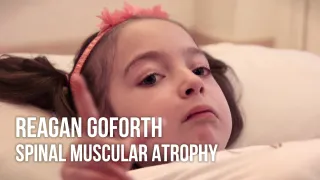
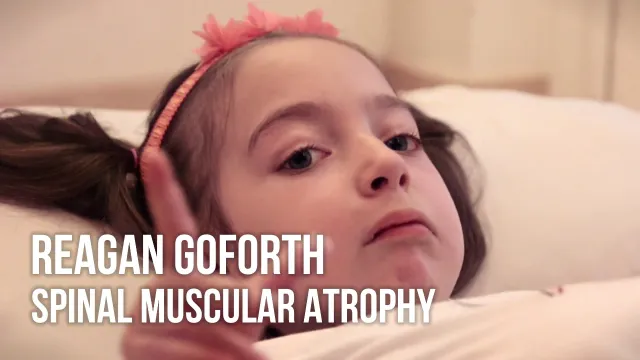
Reagan was clinically diagnosed with SMA at 6 months after extensive genetic testing due to delayed motor function and overall delay in hitting infant milestones was noticed. In some cases, Spinal Muscular Atrophy can be fatal. Due to Reagan’s stem cell treatments, she remains cognizant and aware of her surroundings.
Reagan is in fantastic health at the moment. She has continued to gain motor and oral functions over the past 2 years resulting in an increased ability to feed herself, use a special toilet, and sit in a normal chair with the aid of a back brace.
Through the release of substances such as growth factors, cytokines, and extracellular vesicles, mesenchymal stem cells (MSCs) initiate tissue healing, adjust the immune system’s behavior, and facilitate tissue renewal, while also alleviating inflammation.
In the context of treating Spinal Muscular Atrophy (SMA), it has been discovered that these MSCs can spur the revival of injured motor neurons and bolster muscle performance. Beyond this, they have the capacity to subdue inflammation and enhance immune responses, thereby providing further assistance in the recuperation of harmed tissues. All things considered, stem cell therapy emerges as a promising, safe, and efficient therapeutic approach for those suffering from SMA.
How Stem Cell Therapy Improves Symptoms of Spinal Muscular Atrophy
Stem cells are cells that are “pluripotent”, meaning they can differentiate into all other cells due to their self-renewing abilities. They can develop into ectodermal (ex. skin and some neurological structures), mesodermal (ex. bones, cartilages, and blood cells), or endodermal cells (ex. cells of internal body organs).
Therefore, injecting stem cells – from a donor with normal SMN gene – should theoretically allow them to differentiate and “replace” the damaged neurons, and neuron proteins, defective due to genetic abnormalities leading to SMA (6). Despite the lower number of patients tested in literature due to the rarity of the disease, stem cell therapy has proved quite promising results in SMA. It has provided a new hope in curing or at least ameliorating and delaying the symptoms of SMA for a better quality of life.
Following the testing of stem cell treatment on people with SMA, in addition to their self-renewing abilities, stem cells have proven to have additional benefits other than tissue replacement; including (7, 8, 9):
Replacing and repairing the damaged neurons: As mentioned, this is their original function; to replace the damaged tissue – i.e. neurons in case of SMA – through the conversion of one cell type to another. These cells can therefore have normal proteins to function normally.
Increasing the production of neurotrophic factors that promote nervous cell proliferation and differentiation (ex. glia derived neurotrophic factor (GDNF) and brain-derived neurotrophic factor (BDNF)). These factors can locally enhance cellular recruitment, proliferation and maturation within the damaged or affected spinal neurons.
Modulating the immune system and the ongoing inflammatory process: Thereby reducing the neurodestructive and atrophic process causing characteristic symptoms of SMA
Promoting vascular supply to the nervous system: By stimulating the generation of new blood vessels (neovascularization/angiogenesis) through stimulating different vascular stimulating growth factors (ex. VEGF)
Preventing neuronal death: Through inhibiting the process of apoptosis, or programmed cell death, of the affected neurons until they are adequately repaired
Benefits of Stem Cell Therapy in Spinal Muscular Atrophy
Studies testing stem cell therapy in people with SMA have reported that the use of stem cell therapy in affected infants has shown improvement in (9, 10):
Muscle tone:
Better muscle control and movement
Respiration capacity
Swallowing and feeding
Speech (in older infants/toddlers)
Degree of drooling
Facial muscle control and expressiveness
Improved general condition and weight
Some scientists in these trials have described the improvement seen following stem cell therapy in SMA as “otherwise-impossible”. However, we advise early stem cell intervention in order to allow for the best possible results.
Possible Improvements after Stem Cell Therapy for Spinal Muscular Atrophy
Based on follow-up reports from 18 patients across 63 forms, here is the percentage who self-reported any improvement after treatment.
Symptom
% of Patients who noticed Improvement
% who noticed a Small Improvement
% who noticed a Moderate Improvement
% who noticed a Significant Improvement
Energy
100%
43%
21%
36%
Limb muscle strength
94%
65%
24%
6%
Hand control
93%
50%
43%
0%
Movement in general
88%
35%
41%
12%
Balance
88%
41%
35%
12%
Trunk control
88%
35%
35%
18%
Overall strength
88%
44%
31%
13%
Trunk muscle strength
88%
44%
38%
6%
Fine motor control
87%
40%
40%
7%
Range of movement
81%
44%
38%
0%
Swallowing
78%
22%
33%
22%
Standing up
73%
53%
13%
7%
Spasticity
60%
50%
10%
0%
Walking
43%
29%
14%
0%
Crawling
39%
23%
15%
0%
Patients self-assess each symptom on a 5-point scale (Worse / No improvement / Small / Moderate / Significant) at follow-up checkpoints after treatment, comparing to their pre-treatment baseline. "Reported improvement" combines the small, moderate and significant buckets. Data is updated daily from our internal patient registry. As with any medical treatment, past results do not guarantee future outcomes — improvements vary from patient to patient.
Do you feel as though your stem cell treatment has improved the quality of life?
No
6%
Yes - has slightly improved
39%
Yes - has moderately improved
28%
Yes - has significantly improved
28%
% of patients with some level of positive result
95%
Are you currently experiencing any improvements in your general physical condition?
No
17%
Yes - small improvements
44%
Yes - moderate improvements
28%
Yes - significant improvements
11%
% of patients with a positive level of satisfaction
83%
Are you currently satisfied with the outcome of the treatment?
No
6%
No comment
6%
Somewhat satisfied
39%
Yes
50%
% of patients with ongoing improvements
89%
*It is important to remember that as for any medical treatment, improvements cannot be guaranteed. Please contact us for more information regarding the possible improvements for a particular case.
Our Treatment Program in Details
Since 2005, we have been developing and optimizing our stem cell treatment protocols for various conditions. We believe that only a comprehensive treatment solution can allow our patients to truly benefit from stem cells. That is why besides providing large quantities of stem cells to maximize the regenerative potential of each patient, we also find it necessary to accompany the treatment with an extensive and daily therapy program to stimulate the regenerative response.
Our stem cell treatment for Spinal Muscular Atrophy (SMA) consist of 4 to 8 simple and minimally invasive injections of umbilical cord derived stem cells. The stem cells are transplanted using two separate methods: by intravenous way using a standard IV drip system, and through intrathecal injection performed after lumbar puncture. These two delivery methods allow for increased efficacy while ensuring safety and minimum inconvenience for the patient.
01 15 to 23 Days Stay
02 UCBSC / UCMSC Cells
03 IV & Intrathecal Injections
04 Daily Therapy Program
05 120-400 Million Cells
06 Nutrition Program
Frequently Asked Questions
A.
Spinal muscular atrophy is a hereditary neurological disorder characterized by loss of motor neurons innervating different muscles of the body. Despite being a rare disorder, affecting around one infant out of at least 10,000 live births, it is still one of the leading hereditary causes of infant disability and death. This disorder has a wide range of subtypes and symptom severity.
The most common SMA, which is known as type 1 SMA, accounts for more than half of the cases and it is a severe form of SMA that follows an autosomal recessive inheritance. Spinal muscle atrophy mainly occurs due to a genetic abnormality in the SMN gene coding for proteins responsible for normal nerve functioning. This protein abnormality affects motor neurons – i.e. nerves supplying muscles versus sensory nerves – therefore causing characteristics of SMA (1, 2, 3).
A.
As previously mentioned, SMA has a wide range of symptom severity, and not all symptoms might be present at the same time or with the same severity. Common SMA symptoms include (2):
Muscle weakness: According to the SMA subtype, this weakness can range from as little as mild weakness diagnosed during adulthood (type 4) up to severe debilitating generalized muscle weakness impairing neonatal development (type 1). Infants with severe SMA typically present with:
Difficulty swallowing and suckling while breastfeeding
Difficulty holding up their heads
Difficulty sitting up
Difficulty reaching normal developmental milestones
In some milder/intermediate forms of SMA, infants might be able to sit normally, but might not be able to walk
Muscle Atrophy: Muscle atrophy is defined as wasting of muscles or reduced muscle mass due to the long-term lack of innervation and movement. This process of atrophy increases with age the longer the period of absent innervation and movement.
Reduced muscle tone (Hypotonia)
Respiratory problems: This is seen in severe SMA subtypes due to respiratory muscle weakness. Infants with severe SMA could develop aspiration, collapsed lungs, and could have recurrent respiratory infections as a result. Some children might have respiratory failure as a result of this respiratory weakness.
Reduced lifespan: For people affected with the more severe types, especially type 1, the lifespan of these patients is unfortunately compromised.
A.
Despite there being lots of advancements aiming at knowing the exact genetic mechanism responsible for SMA earlier in order to allow prompt management and to provide a better quality of life for children and adults living with such a debilitating condition, there has not been much progress in treating its original cause – i.e. abnormal nerve proteins. Current treatments only aim to alleviate or prevent possible complications from this muscle weakness such as (1, 3):
Pulmonary/Respiratory support: These supportive measures include educating parents about the course of the disease and its possible complications, and anticipating/predicting respiratory symptoms early on to prevent their progression. Such measures include routine immunization against common respiratory infections and learning how to properly assist children while coughing to prevent them from acquiring aspiration or infections. Mechanical ventilation might be needed in people with severe symptoms and frequent infections.
Nutritional support: This involves giving children with swallowing and/or feeding difficulties semi-solid diets to compensate for their lack of adequate chewing and gastrointestinal problems. Some children with severe nutritional difficulty might require gastrostomy placement (an external opening into the stomach for direct stomach feeding).
Movement support: This involves multidisciplinary treatments aiming to improve the quality of life of people with SMA and allow them to reach their full potential and maintain some level of independence. Some examples include using walking/movement aids such as wheelchairs and standing frames. Physiotherapy and aquatic therapy and swimming training might also be used to improve muscle endurance. In some patients with associated positional deformities (ex. scoliosis or sideward bending of the spine), they might benefit from orthopedic surgical correction of the deformity to allow better posture and range of movement.
Gene therapy: This is a novel form of therapy which involves intravenous or oral administration of the “genetically-modified” functional form of the SMN gene – which is the originally defective gene in SMA. However, this treatment is still novel and quite expensive; with some commercially-available drugs requiring maintenance yearly –or even more frequent – injections for life-time to maintain the obtained benefits. This creates a major financial burden for most individuals till this time since not all countries cover its use within insurance policies; and even if sometimes it is covered by insurance, it is usually associated with strict inclusion guidelines restricting its use in many infants with SMA. Another problem seen with this treatment is that not all SMA patients are eligible to receive it and that it might be associated with some side effects including elevated liver enzymes and bone marrow suppression in many of the treated individuals – which might be a problem when used in such young patients (4, 5).
As you can see, all of these treatments are solely supportive or rehabilitative in nature, and even the newly-produced forms of gene therapy still have a long way before becoming more readily available for the public and before having better data regarding their long-term efficacy as well as its side effect profile.
A.
To date, there has not been a single study – to our knowledge – that has compared different types of stem cells, concerning safety and efficacy, particularly in patients with SMA.
There are currently many types of stem cells available to use in different conditions including embryonic stem cells, mesenchymal stem cells (ex. bone marrow and umbilical cord stem cells), hematopoietic stem cells, neural stem cells, as well as many other sources (6).
However, when looking at other similar neurodevelopmental disorders and at different stem cell therapy trials, the most feasible-to-obtain and safely-used stem cells that have been used and tested in people with other neurological conditions are the mesenchymal stem cells such as those obtained from either umbilical cord-derived samples, both cord blood and cord tissue, or bone marrow stem cells. These two types provide the best results in neurological conditions since they easily cross the blood-brain barrier, to reach the brain and the spinal cord, and have the lowest possible side effects (7).
Studies are also currently testing the use of genetically-modified stem cells that can be acquired from SMA patients to allow for self-reinjection of stem cells that have been modified to harbor normal SMN protein. These cells are known as induced pluripotent stem cells (iPSCs). The aim of this technique is to prevent possible side effects or allergic reactions due to the transplantation of “foreign” cells from donors other than the patients themselves. However, this technique is still not clinically applicable in the medical field (8).
Therefore, our work is currently still based on one of the only clinical studies testing stem cell therapy in SMA patients which found that mesenchymal stem cell therapy provided visible benefits when administered using two concomitant routes of administration; both intravenous and intrathecal routes; versus when they used solitary intrathecal route (10).
These results have contributed to establishing our current method of dual-type stem cell administration.
A.
At Beike Technology, we use umbilical cord stem cells for SMA, both umbilical cord-related mesenchymal/tissue and blood/hematopoietic cell samples donated from healthy mothers after a normal birth. As previously mentioned, this concomitant administration of both types of stem cells provides better results.
A.
One problem seen with SMA is that its window of opportunity is quite short, especially in infants with type 1 SMA. This period is not exactly known; however, at some point, even if we intervene using stem cell therapy, clinical benefit might not be optimum – or might be temporary to the duration of stem cell therapy injections. This has been suggested by one study that noted that the benefits seen in their type 1 SMA patients – who were all older than 7 months old – had temporary benefits despite them showing significant improvement during the period of therapy.
They have therefore advised that earlier stem cell therapy might be a solution; prior to permanent damage to the neurons of children with SMA. Of course, this treatment window differs according to the SMA subtype your child has and the severity of their symptoms, and the reason most trials done on patients with SMA showed partial benefits is possible that they recruited older infants with the more severe type 1 SMA type who had probably acquired permanent neuron damage due to their older age (9, 10).
Therefore, for people with type 1 SMA an age prior to 4 to 6 months might be the optimum window for treatment.
People with less severe forms might however have benefits long after this period depending on the severity of the symptoms. This is why we recommend consulting our specialists prior to treatment in order to estimate the degree of benefit that can be obtained from stem cell therapy.
We can generally say that the earlier stem cell therapy is initiated, the better the expected results are.
A.
Of course, no treatment is without complications, and stem cell therapy is the same. However, despite its novelty, stem cell therapy has limited side effects if used properly, with comparable general side effects to those experienced with regular blood transfusion or foreign organ transplantation (ex. allergic reactions, cell rejection, or fever).
Additionally, in studies specifically studying stem cell therapy in SMA, no actual side effects were reported given the already-severe presentation of these infants prior to starting stem cell therapy. However, when using stem cell therapy in similar conditions, none of these previously mentioned side effects reported were life-threatening or had life-long consequences, and they were easily managed medically at the time of their occurrence (11).
A.
We have summarized the different factors that might affect your response to stem cell therapy, and how we at Beike Technology address each factor to ensure that we provide you with the highest efficacy using the safest procedure possible.
Dose/Number of stem cells: The higher the dose of stem cells – within limits of course – the better the response. At Beike Technology, we administer an optimum dose of around 120-400 Million Cells (depending on the child’s weight and age) for SMA.
Route/Method of administration: Studies have shown that combining intrathecal injection (through lumbar puncture directly within the brain’s CSF) with the traditional intravenous route provides a better response than administering intravenous injections alone (which causes stem cells to go to other organs than the brain before reaching the brain). Therefore, at Beike Technology, we use both intravenous and intrathecal routes concomitantly in order to obtain maximal efficacy; while ensuring the least possible side effects or toxicity.
Type of Stem Cells used: Both umbilical cord-based stem cells, which we use at Beike Technology, and bone marrow stem cells have better-proven efficacy in SMA compared to other types of stem cells.
Timing of stem cell transplantation: Early intervention is crucial for people with SMA. Therefore, we recommend early intervention soon after diagnosis depending on the type of SMA your child has.
Follow-up Time: Significant benefits from stem cell therapy in patients with SMA begin appearing around 4 weeks after stem cell therapy, and most people reach their full potential around 3 months after treatment. At Beike Technology, even after discharge, we provide you with a full follow-up program beginning as early as one month and up to one year after transplantation. You have complete access to our professional team even after you leave our center.
Medically reviewed by
Dr. Dina Mohyeldeen
Physician & Medical Researcher
Dr. Dina M. is a physician with particular interest in researching advancements in treating different incurable conditions. Her fields of interest include cancers, neurological, and psychiatric conditions given their difficult diagnoses and ever-evolving treatment modalities.
5.Yang D, Ruan Y, Chen Y. Safety and efficacy of gene therapy with onasemnogene abeparvovec in the treatment of spinal muscular atrophy: A systematic review and meta-analysis. Journal of Paediatrics and Child Health. 2023;59(3):431-8. https://pubmed.ncbi.nlm.nih.gov/36722610/
7.Paradisi M, Alviano F, Pirondi S, Lanzoni G, Fernandez M, Lizzo G, et al. Human mesenchymal stem cells produce bioactive neurotrophic factors: source, individual variability and differentiation issues. International journal of immunopathology and pharmacology. 2014;27(3):391-402. https://journals.sagepub.com/doi/10.1177/039463201402700309
8.Han F, Ebrahimi-Barough S, Abolghasemi R, Ai J, Liu Y. Cell-Based Therapy for Spinal Muscular Atrophy. Advances in experimental medicine and biology. 2020;1266:117-25. Available from:.
12.Qu J, Zhou L, Zhang H, Han D, Luo Y, Chen J, et al. Efficacy and safety of stem cell therapy in cerebral palsy: A systematic review and meta-analysis. Frontiers in bioengineering and biotechnology. 2022;10:1006845. https://www.ncbi.nlm.nih.gov/pmc/articles/PMC9794999/
How it works
A clear path forward
From your first inquiry to post-treatment follow-up —
we guide you every step of the way.
Stage
01
Inquiry
Tell us about your condition. Speak with our medical advisors — no obligation.
Stage
02
Evaluation
Our doctors review your medical records and recommend a tailored protocol.