Beyond surgical closure: stem cells targeting the spinal lesion to rebuild muscle strength, sensation and continence. See documented improvements in past patients. 86% reported quality-of-life improvement.
82% satisfied with the treatment outcome.
Is Stem Cell Treatment for Spina Bifida Effective?
Are you considering Stem Cell Treatment for Spina Bifida?
Spina bifida is a congenital neurological disorder that has limited curative treatment options, with most only focusing on delaying disease progression and preventing further neurological damage or infection in order to ensure a better quality of life for such individuals. Stem Cell Treatment however offers hope, with studies showing stem cell therapy can reverse and improve different neurological symptoms associated with spina bifida.
Read on to see if Spina Bifida Stem Cell Treatment might be right for you.
Patient case Study - Spina Bifida Stem Cell Treatment
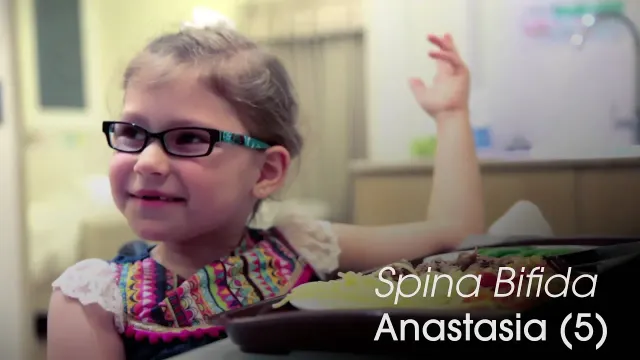
The condition is causing multiple symptoms for the 5-year-old little girl. The most pressing ones being a bladder dysfunction a lack of sensation and the lack of strength, which makes it impossible for her to crawl or walk without assistance. With the hope to improve Anastasia’s symptoms and give her more independence, her family came to Thailand to receive Stem Cell Treatment. Before going back to the USA, Anastasia’s mother and sister sat down to talk about Anastasia’s Spina Bifida the Stem Cell Treatment and the improvements they had.
Stem cells are cells that are “pluripotent”, meaning they can differentiate into all other cells due to their self-renewing abilities. They can develop into ectodermal (ex. skin and some neurological structures), mesodermal (ex. bones, cartilage, and blood cells), or endodermal cells (ex. cells of internal body organs).
Therefore, injecting stem cells – from a donor – should theoretically allow them to differentiate and “replace” the damaged neurons seen in different NTDs (4). Stem cell therapy has provided new hope in curing or at least improving the neurological symptoms associated with spina bifida, in order to provide patients a better quality of life.
Following the testing of stem cell treatment on people with spina bifida, in addition to their self-renewing abilities, stem cells have proven to have additional benefits other than tissue replacement; including (5, 6):
Replacing and repairing the damaged neurons: As mentioned, this is their original function; to replace the damaged tissue – i.e. spinal cord neurons in spina bifida – through differentiating into its cells.
Increasing the production of neurotrophic factors that promote nervous cell proliferation and differentiation (ex. glia derived neurotrophic factor (GDNF) and brain derived neurotrophic factor (BDNF)): These factors can locally enhance cellular recruitment, proliferation and maturation within the damaged or affected neurons.
Modulating the immune system and the ongoing inflammatory process: Stem cells produce different antioxidants; thereby reducing the neurodestructive and atrophic process characterizing different NTDs.
Promoting vascular supply to the nervous system: by stimulating the generation of new blood vessels (neovascularization/angiogenesis) through stimulating different vascular stimulating growth factors (ex. VEGF). Better blood supply allows for better and faster neuron regeneration.
Preventing cell death: Through releasing substances that can inhibit the process of apoptosis, or programmed cell death, of the damaged cells until they are adequately repaired by stem cells.
Over the last few decades, there have been numerous “animal” trials testing the efficacy and safety of injecting stem cells in-utero (during pregnancy) to allow for proper neurological development, and these trials have shown promising results (5, 7). However, their application in humans requires further trials to prove definite efficacy.
We are still waiting for the results from the first FDA-approved human-based in-utero stem cell therapy trial to be able to use it on people with spina bifida (3). This is why, despite the extensive animal-based results on the benefits of in-utero stem cell injections, we can still only use conventional stem cell therapy after birth due to their extensive usage in different neurological disorders.
Benefits of Stem Cell Therapy in Spina Bifida
Although most of the current clinical trials are now focusing on administering stem cells to fetuses prior to delivery (7); which will probably be the future, there has been two small sample-sized studies on a total of 19 patients that have tested stem cells in infants with already-present spina bifida after birth (8, 9).
Stem cell therapy in people with spina bifida has resulted in improvement of (8, 9):
Bowel Control
Bladder control
Lower limb power and strength
Lower limb control
Lower limb sensation
Proper neurological development
Survival
Improvement rates following stem cell transplantation reachas high as 50%; with dramatic improvement being observed in as high as 22% of the patients. Also, it is important to mention that the remaining 50% not improving maintained their baseline neurological functioning with no deterioration during study follow-up – which is basically an improvement; compared to people only undergoing surgery (8).
Possible Improvements after Stem Cell Therapy for Spina Bifida
Based on follow-up reports from 22 patients across 57 forms, here is the percentage who self-reported any improvement after treatment.
Symptom
% of Patients who noticed Improvement
% who noticed a Small Improvement
% who noticed a Moderate Improvement
% who noticed a Significant Improvement
Movement in general
100%
36%
18%
46%
Overall strength
100%
27%
46%
27%
General mental ability
100%
17%
33%
50%
Interaction with others
100%
20%
20%
60%
Hand control
100%
33%
50%
17%
Trunk control
100%
22%
33%
44%
Appetite
100%
33%
33%
33%
Energy
100%
44%
33%
22%
Limb muscle strength
95%
43%
33%
19%
Trunk muscle strength
95%
30%
25%
40%
Balance
95%
25%
45%
25%
Range of movement
90%
32%
32%
26%
Fine motor control
86%
29%
57%
0%
Crawling
83%
50%
17%
17%
Spasticity
83%
33%
42%
8%
Bladder control
80%
40%
20%
20%
Standing up
75%
30%
20%
25%
Walking
74%
26%
21%
26%
Patients self-assess each symptom on a 5-point scale (Worse / No improvement / Small / Moderate / Significant) at follow-up checkpoints after treatment, comparing to their pre-treatment baseline. "Reported improvement" combines the small, moderate and significant buckets. Data is updated daily from our internal patient registry. As with any medical treatment, past results do not guarantee future outcomes — improvements vary from patient to patient.
Do you feel as though your stem cell treatment has improved the quality of life?
No
14%
Yes - has slightly improved
24%
Yes - has moderately improved
29%
Yes - has significantly improved
33%
% of patients with some level of positive result
86%
Are you currently experiencing any improvements in your general physical condition?
No
10%
Yes - small improvements
24%
Yes - moderate improvements
38%
Yes - significant improvements
29%
% of patients with a positive level of satisfaction
91%
Are you currently satisfied with the outcome of the treatment?
No
5%
No comment
14%
Somewhat satisfied
32%
Yes
50%
% of patients with ongoing improvements
82%
*It is important to remember that as for any medical treatment, improvements cannot be guaranteed. Please contact us for more information regarding the possible improvements for a particular case.
Our Treatment Program in Details
At Beike, we have created a comprehensive therapy program to best suit patients with spina bifida. Our treatment consists of Umbilical Cord Derived Mesenchymal Stem Cells (UCMSCs) and Umbilical Cord Blood Stem Cells (UCBSCs), with simultaneous physical therapies to help guide the stem cells to the needed area.
Umbilical cord-derived stem cells are actually more than just mesenchymal stem cells (MSC), and also include hematopoietic stem cells (HSC), endothelial progenitor cells (EPC), and others. These adult stem cells are able to differentiate into different types of cells, such as osteocytes (bone), chondrocytes (cartilage), myocytes (muscle), fibroblasts (tendon/ligament), adipocytes (fat), hepatic stellate cells (liver), endothelial cells (blood vessels), all blood cells, connective tissues and more. Studies also show that they can create neurons and glial cells.
Our stem cell therapy program for spina bifida consists of 6 to 8 simple and minimally invasive injections of umbilical cord-derived stem cells. The stem cells are transplanted using two separate methods: by intravenous way using a standard IV drip system, and through intrathecal injection performed after lumbar puncture. These two delivery methods allow for increased efficacy while ensuring safety and minimum inconvenience for the patient.
01 15 to 23 Days Stay
02 IV & Intrathecal Injections
03 UCBSC / UCMSC Cells
04 Daily Therapy Program
05 120-400 Million Cells
06 Nutrition Program
Frequently Asked Questions
A.
Spina bifida is a congenital birth defect that occurs due to “splitting” of the spinal cord due to failure of proper closure of the neural tube – the embryologic origin of the nervous system. Spina bifida is one form of Neural Tube Defects (NTDs) and it has three ascending degrees of severity according to how much of the spinal cord is left exposed; namely spina bifida occulta, meningocele, and myelomeningocele. Spina bifida can often be diagnosed antenatally – during pregnancy – though treatment options are still limited especially for more severe forms and surgery being the main, and perhaps only, form of treatment (1).
A.
Symptoms of spina bifida depend on the severity/type as well as the spinal cord level it occurs in; where the higher the defect the worse the symptoms. However, most cases occur low within the spinal cord with most neurological symptoms affecting the lower limbs and bladder and bowel functions – though higher lesions are still possible (1).
Children with spina bifida often have impaired movement and sensation below the level of the NTD – causing weakness or paralysis. They might also have urinary (bladder) and/or fecal (bowel) incontinence. Although spina bifida does not affect the brain by itself, it is often associated with other neurological diseases that might affect brain and cognitive development – such as Chiari malformation and hydrocephalus. Such associated disorders might affect normal brain development of children with NTDs, and therefore affect their intelligence, behavior, speech, social development…etc. (1, 2).
A.
90% of spina bifida cases are discovered during an ultrasound before 18 weeks of pregnancy. Diagnosis is commonly done through a blood screening to test for alpha-fetoprotein (AFP) in the mother’s blood. Babies create this AFP protein that commonly reaches the mother’s bloodstream, but if the level of AFP is too high it could be a sign of spina bifida.
To determine the reason for high levels of AFP, a doctor will have an ultrasound done to confirm the reason. If further testing is needed, a doctor can perform an amniocentesis test in which a part of the amniotic fluid surrounding the baby is tested. If that fluid has a high concentration of AFP as well, it could be because the skin that should cover the spinal cord is not there and is causing a leakage of the baby’s spinal fluid.
MRI and CT scans are also possible tools for post-natal diagnosis.
A.
Given that NTDs occur due to congenital nerve degeneration, its treatment options are limited similar to lots of other neurological disorders. Current treatment options for spina bifida include (1, 3):
Surgery: Currently, early surgery (within 48 hours of birth) is the main treatment option, and even then its only aim is to close the anatomical skin defect present due to spina bifida, in order to prevent the risk of infection (ex. meningitis). However, surgery doesn’t correct the actual neurological deficit present since it has already occurred during pregnancy.
Fetal Surgical Intervention: Some trials have tested the benefits of intervening and correcting spina bifida during pregnancy – before permanent neurological damage. These trials reported clinical benefits, yet the long-term efficacy and safety of such techniques still need to be studied further before becoming the standard of care due to the high risk of complications to both the mother and the fetus.
Supportive Treatments: These include treatments aiming to improve the quality of life of people with spina bifida. Some examples include physiotherapy, nutritional therapy, medications to improve bladder and bowel function, social therapy, and surgical correction of associated bone deformities.
A.
To date, there has not been a single study – to our knowledge – that has compared different types of stem cells, concerning safety and efficacy, particularly in patients with NTDs. However, we can summarize different stem cell sources that have been tested in these disorders. Each form of stem cells has its own benefits and drawbacks as will be mentioned. Different stem cell sources that have been tested in different neurological disorders include (3, 6, 10):
Mesenchymal Stem Cells: These are stem cells obtained from adipose tissues, bone marrow, or umbilical cord tissues – which we actually use at Beike. These cells can be easily produced in larger numbers to accommodate higher number of patients and allow better efficacy, have better response in neurological diseases – including spina bifida – have better differentiation capacity into neurons, and have better anti-cell death effect in case of degenerative conditions like NTDs that affect neurological development– compared to other stem cells. Mesenchymal stem cells can be obtained from different sources including the umbilical cord, bone marrow, and adipose tissue.
Embryonic Stem Cells: Another type of stem cells includes embryonic stem cells. These cells can also differentiate into photoreceptors; yet they are difficult to obtain and have ethical concerns regarding their sources.
Adult Pluripotent Stem Cells: These are another source that can be produced in large numbers; yet their differentiation abilities are once again limited.
Neural Stem Cells: These are another type that has particular benefits in neurological diseases through the production of neurotrophic factors; though their differentiation is also limited
After carefully reviewing all of the benefits and risks of each type, we have decided to use mesenchymal umbilical cord-based stem cells as our main source since they have been the most extensively studied type in neurological conditions, including NTDs, with the least reported side effects (5, 6, 8). This is in addition to also using umbilical cord blood cells (hematopoietic cells) concurrently to provide additional benefits from using two types of stem cells; with each contributing to neuro-regeneration through different complementary mechanisms.
In addition to the source of stem cells, there are also multiple routes of stem cell administration. Most clinical trials testing stem cell therapy in spina bifida use either one of two routes; which are (8, 9):
Intravenous (Into the blood)
Intrathecal (Into the CSF surrounding the brain through lumbar puncture)
At Beike, we use combined intravenous and intrathecal routes concomitantly to achieve the best results with the least possible side effects.
A.
At Beike, we use umbilical cord stem cells for spina bifida, both umbilical cord-related mesenchymal/tissue and blood/hematopoietic cell samples donated from healthy mothers after normal birth. As previously mentioned, this concomitant administration of both types of stem cells, mesenchymal and hematopoietic stem cells, provides better results.
A.
There is no specific timing for stem cell treatment; but like many other neurological conditions and based on the trials testing stem cell therapy on infants of different ages (8, 9), we generally recommend seeking stem cell therapy early after diagnosis – i.e. during infancy. This is because the earlier the stem cell intervention, the easier it is to prevent further damage of the neurons and to be able to restore normal brain and spinal cord functioning before permanent damage takes place. We still need to report that clinical benefit is not 100% guaranteed as is the case with any intervention, and consulting our specialists prior to undergoing the procedure is of utmost importance in order to gain more insight on the procedure and the estimated possibility of treatment success for your individual case.
A.
Of course, no treatment is without complications, and stem cell therapy is the same. However, despite its novelty, stem cell therapy has limited side effects, if used properly, with comparable general side effects to those experienced with regular blood transfusion or foreign organ transplantation (ex. allergic reactions, cell rejection, or fever). Additionally, in studies specifically studying stem cell therapy in patients with spina bifida, no significant side effects were reported and none were life-threatening or had life-long consequences (8, 9). They were also easily managed medically at the time of their occurrence.
A.
Factors that might affect your response to stem cell therapy for Spina Bifida include:-
Dose/Number of stem cells: The higher the dose of stem cells – within limits of course – the better the response. At Beike Technology, we administer an optimum dose of around 120-400 Million Cells (depending on the person’s weight and age) for people with NTDs.
Route/Method of administration: Studies have shown that combining intrathecal injection (through lumbar puncture directly within the brain’s CSF) with the traditional intravenous route provides better response than administering intravenous injections alone (which causes stem cells to go to other organs than the brain before reaching the brain). Therefore, at Beike Technology, we use both intravenous and intrathecal routes concomitantly in order to obtain the maximal efficacy; while ensuring the least possible side effects or toxicity.
Type of Stem Cells used: Mesenchymal stem cells have the best-proven efficacy in spina bifida – compared to other types of stem cells – which is why we use umbilical cord tissue mesenchymal cells at Beike as the main source of stem cells. Also, believing that each type of stem cells has its own primary benefit, we have decided to additionally extract and use umbilical cord blood stem cells (hematopoietic stem cells) concomitantly to achieve better results in patients with spina bifida.
Timing of stem cell transplantation: Early intervention is crucial for people with NTDs – prior to reaching the end of the time window needed for adequate brain development. Therefore, we recommend early intervention soon after birth and diagnosis.
Follow-up Time: Significant benefits from stem cell therapy in patients with NTDs begin appearing around 3 to 6 months after stem cell therapy, and most people reach their full potential around 6 to 12 months after treatment. At Beike Technology, even after discharge, we provide you with a full follow-up program beginning as early as one month and up to one year after transplantation. You have complete access to our professional team even after you leave our center.
Medically reviewed by
Dr. Dina Mohyeldeen
Physician & Medical Researcher
Dr. Dina M. is a physician with particular interest in researching advancements in treating different incurable conditions. Her fields of interest include cancers, neurological, and psychiatric conditions given their difficult diagnoses and ever-evolving treatment modalities.
Find out more about patients previously treated with Beike stem cell protocols. The families participating in these blog posts talk about their stories and present their own view of the treatment, including thoughts regarding the daily therapies, the stem cell injection themselves as well as improvement noticed during and after treatment.
3.Hassan AS, Du YL, Lee SY, Wang A, Farmer DL. Spina Bifida: A Review of the Genetics, Pathophysiology and Emerging Cellular Therapies. Journal of developmental biology. 2022;10(2). https://pubmed.ncbi.nlm.nih.gov/35735913/
4.Dhaulakhandi DB, Rohilla S, Rattan KN. Neural tube defects: review of experimental evidence on stem cell therapy and newer treatment options. Fetal diagnosis and therapy. 2010;28(2):72-8. https://pubmed.ncbi.nlm.nih.gov/20689263/
5.Li H, Gao F, Ma L, Jiang J, Miao J, Jiang M, et al. Therapeutic potential of in utero mesenchymal stem cell (MSCs) transplantation in rat foetuses with spina bifida aperta. Journal of Cellular and Molecular Medicine. 2012;16(7):1606-17. https://www.ncbi.nlm.nih.gov/pmc/articles/PMC3823228/
6.Ma W, Wei X, Gu H, Li H, Guan K, Liu D, et al. Sensory neuron differentiation potential of in utero mesenchymal stem cell transplantation in rat fetuses with spina bifida aperta. Birth Defects Research Part A: Clinical and Molecular Teratology. 2015;103(9):772-9. https://pubmed.ncbi.nlm.nih.gov/26172505/
7.Wei X, Ma W, Gu H, Liu D, Luo W, Bai Y, et al. Transamniotic mesenchymal stem cell therapy for neural tube defects preserves neural function through lesion-specific engraftment and regeneration. Cell Death & Disease. 2020;11(7):523. https://www.ncbi.nlm.nih.gov/pmc/articles/PMC7354991/
8.Gupta DK, Sharma S, Venugopal P, Kumar L, Mohanty S, Dattagupta S. Stem cells as a therapeutic modality in pediatric malformations. Transplantation proceedings. 2007;39(3):700-2. https://pubmed.ncbi.nlm.nih.gov/17445576/
9.Liem NT, Chinh VD, Thinh NT, Minh ND, Duc HM. Improved Bowel Function in Patients with Spina Bifida After Bone Marrow-Derived Mononuclear Cell Transplantation: A Report of 2 Cases. The American journal of case reports. 2018;19:1010-8. https://www.ncbi.nlm.nih.gov/pmc/articles/PMC6120349/
10.Coco-Martin RM, Pastor-Idoate S, Pastor JC. Cell Replacement Therapy for Retinal and Optic Nerve Diseases: Cell Sources, Clinical Trials and Challenges. Pharmaceutics. 2021;13(6). https://www.ncbi.nlm.nih.gov/pmc/articles/PMC8230855/
How it works
A clear path forward
From your first inquiry to post-treatment follow-up —
we guide you every step of the way.
Stage
01
Inquiry
Tell us about your condition. Speak with our medical advisors — no obligation.
Stage
02
Evaluation
Our doctors review your medical records and recommend a tailored protocol.