Stage
01
Inquiry
Tell us about your condition. Speak with our medical advisors — no obligation.
If your diagnosis isn't listed above, talk to our medical team — many conditions outside our standard protocols may still be candidates for stem cell therapy.
Published Last updated
Our list of treatable conditions is based on the conditions we treat most commonly (spinal cord injury, traumatic brain injury, cerebral palsy, etc). This does not mean that we are not prepared to treat your condition as well. Conditions that we treat include but are not limited to:
Stem cell treatment offers potential benefits for adrenoleukodystrophy (ALD) by replacing defective cells with healthy ones, thereby potentially halting disease progression and improving neurological function.
Stem cell therapy may help treat Alzheimer's disease by replacing damaged neurons and promoting the release of neurotrophic factors, which support neuron survival and function.
Stem cell treatment may benefit ALS patients by protecting motor neurons and reducing inflammation.
MSCs can aid in arthritis treatment by regenerating damaged cartilage, reducing inflammation, and modulating the immune response.
Stem cell therapy can promote cartilage repair by differentiating into chondrocytes and producing extracellular matrix.
Stem cells may help in the recovery from cerebral hemorrhage by promoting neurogenesis, reducing inflammation, and enhancing angiogenesis.
Stem cell treatment can improve blood flow and promote tissue regeneration in critical limb ischemia.
MSCs have shown promise in treating severe COVID-19 by modulating the immune response and reducing cytokine storm effects.
Stem cell therapy may benefit Crohn's disease by promoting mucosal healing and reducing inflammation.
Stem cells can potentially regenerate insulin-producing beta cells in Type 1 diabetes, improving glycemic control.
Stem cell therapy may help Type 2 diabetes by enhancing insulin sensitivity and modulating chronic inflammation.
Stem cells may help treat diabetic retinopathy by regenerating damaged retinal cells and improving vascular health.
Stem cell therapy can promote wound healing and improve vascularization in diabetic foot ulcers.
Stem cell therapy may help improve cognitive function and reduce neurodegeneration in Down syndrome.
Cortical dysplasia — a group of congenital brain malformations sometimes grouped as “encephalo-dysplasia” — most often causes drug-resistant epilepsy; stem cell approaches aim to restore the brain's inhibitory circuits.
Stem cell therapy may help treat encephalomyelitis by reducing inflammation and promoting tissue repair.
Stem cells can potentially regenerate damaged optic nerve cells and improve vision in glaucoma.
Stem cell therapy may help improve neurodevelopment and cognitive function in children with global developmental delay.
Stem cells can potentially regenerate damaged hair cells and auditory neurons, improving hearing in sensorineural hearing loss.
Stem cell therapy may help treat Huntington’s disease by replacing damaged neurons and modulating neuroinflammation.
Stem cells can potentially aid in the recovery from HIE by promoting neurogenesis and reducing inflammation.
Stem cell therapy may help treat inflammatory bowel disease by promoting mucosal healing and reducing inflammation.
Stem cells can potentially regenerate damaged optic nerve cells and improve vision in Leber’s hereditary optic neuropathy.
Stem cell therapy may help treat liver cirrhosis by promoting liver regeneration and reducing fibrosis.
Stem cells can improve blood flow and promote tissue regeneration in lower limb ischemia.
Stem cell therapy may help treat lupus by modulating the immune response and promoting tissue repair.
Stem cells can potentially regenerate damaged retinal cells and improve vision in macular degeneration.
Stem cell therapy may help treat multiple system atrophy by protecting neurons and reducing neuroinflammation.
Stem cells can potentially alleviate neuropathic pain by promoting nerve regeneration and reducing inflammation.
Stem cell therapy may help treat Parkinson’s disease by replacing damaged dopaminergic neurons and modulating neuroinflammation.
Stem cells can potentially regenerate damaged peripheral nerves and improve sensory and motor function.
Stem cell therapy may help treat primary lateral sclerosis by protecting motor neurons and reducing neuroinflammation.
Stem cells can potentially modulate the immune response and reduce inflammation in psoriasis.
Stem cell therapy may help treat renal insufficiency by promoting kidney regeneration and reducing fibrosis.
Stem cells can potentially regenerate damaged retinal cells and improve vision in retinitis pigmentosa.
Stem cell therapy may help treat retinopathy of prematurity by promoting retinal regeneration and reducing inflammation.
Stem cells can potentially modulate the immune response and reduce inflammation in rheumatoid arthritis.
Stem cells can potentially promote spinal cord repair and reduce cyst formation in syringomyelia.
Stem cell therapy may help treat ulcerative colitis by promoting mucosal healing and reducing inflammation.
Stem cells can potentially aid in the recovery from viral encephalitis by promoting neurogenesis and reducing inflammation.
No condition matches your search — but our list is not exhaustive. Contact our medical team about your specific diagnosis.
Stem cells can treat diseases of all kinds, and there are a lot of ways in which stem cells could contribute to your quality of life, regardless of your specific medical condition. To understand the way stem cells might be able to help you, it is important to understand what stem cells are and how they work.
Stem cells are the cells from which all other cells are born. They are assigned to certain cell types (maybe muscle cells, or bone cells, or blood cells, for example), and create the “specialized” cells within those cell types. However, these specialized cells cannot divide and replicate, meaning they need the stem cells to create more of those blood cells, organ cells, brain cells, etc, as they die. This means stem cells are infinitely valuable and necessary to your health as the only cells that can create new cells.
On a daily basis, your cells are constantly dying and being replaced. Even as you sleep, stem cells are working to replace old and dying cells. When you suffer an injury, many cells die at once. In an ideal world, stem cells would regenerate those specific cells lost in an injury until everything was the same as before. Unfortunately, this isn’t what usually happens.
If you were to get a deep cut or a burn, your body has specialized cells called fibroblasts that begin to try to heal the wound as quickly as possible. For reasons we don’t completely understand, fibroblasts create an unusual formation of collagen in a way that lacks elasticity and is weaker than normal collagen formation in many regards. This is true for scarring that takes place inside the body as well.
When scarring happens, stem cells struggle to access the place of injury and cannot heal the way they would like. However, in cases where stem cells can be injected into the injury site before scarring takes place, true healing can happen. Because our bodies cannot make an endless number of stem cells, injecting them from the outside can provide the extra boost the immune system needs before the body is able to finish the scarring process.
A stem cell treatment, or stem cell transplant, is a procedure in which stem cells are injected (intravenously, through a lumbar puncture, etc) into the body to encourage healing that the body is incapable of performing on its own. Stem cell therapy is becoming more common in the United States and other Western countries for simple conditions such as knee pain, but for debilitating and chronic conditions that have limited treatment options, stem cell transplants are still not available.
While stem cells can be harvested from many places, including bone marrow, fat, and blood, we use umbilical cord blood and umbilical cord tissue-derived adult stem cells for several important reasons.
Firstly, as the connection between mother and baby, this cord is often thrown away as medical waste after a child is born. However, stem cell research shows that these cells are highly potent, making them more effective and, therefore, highly valuable. Their potency is likely because they are new cells left over after the birth of healthy babies.
Another strong draw for umbilical cord blood and tissue stem cells is that they have multiple types of stem cells that can create many different kinds of cells needed by the body. This variation can treat a wide variety of problems in the body.
In terms of safety, umbilical cord blood and tissue-derived stem cells are adult stem cells, which are safe for use and do not cause cancerous growth. Embryonic stem cells, on the other hand, are stem cells that exist during pregnancy and prenatal growth. These cells are more powerful than adult stem cells because they are able to create human life, but science cannot yet control their growth potential. This is why the idea of stem cell therapy is often associated with cancer. Embryonic stem cells can easily grow out of control and cause tumors. It is important not to receive embryonic stem cell-derived treatment until further stem cell research is done to learn how to control them.
Umbilical cord blood and tissue cells are also an excellent option because they have very low immunogenicity. This means that when they are injected into the body, the body does not immediately recognize them as foreign enemies. Umbilical cord-derived stem cells do not contain the mature immune cells that could trigger the potentially deadly graft versus host disease (GVHD), which can often be a problem in bone marrow transplants. Our patients have never had strong immune reactions as a result of treatment.
Don’t see your condition on the list above? Feel free to contact us (click here!) for more information regarding stem cell-based treatment, your condition’s eligibility for stem cell therapy, or anything about our company, treatment program, or facilities.

Medically reviewed by
Dr. Dina Mohyeldeen
Physician & Medical Researcher
Dr. Dina M. is a physician with particular interest in researching advancements in treating different incurable conditions. Her fields of interest include cancers, neurological, and psychiatric conditions given their difficult diagnoses and ever-evolving treatment modalities.
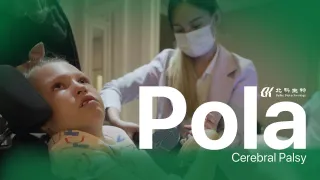
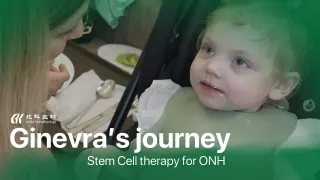
Patients and their families talking about treatment, recovery and the changes that mattered most to them.
From your first inquiry to post-treatment follow-up —
we guide you every step of the way.
Tell us about your condition. Speak with our medical advisors — no obligation.
Our doctors review your medical records and recommend a tailored protocol.
Receive specialized stem cell therapy at our partner hospital, fully supervised.
We stay in touch and monitor your progress for the months that follow.
No obligation. We’ll review your situation and respond within 48 hours.
Reviewed by the Beike medical advisory team — answering patient inquiries since 2005.